


What's Happening?
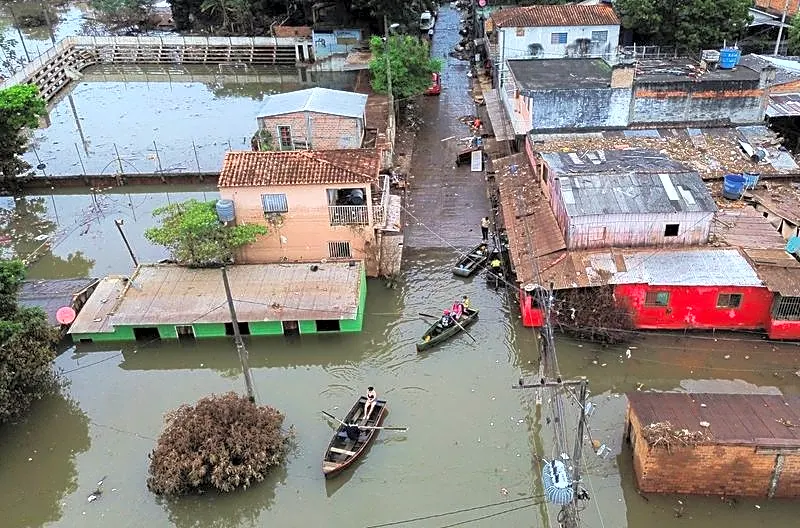
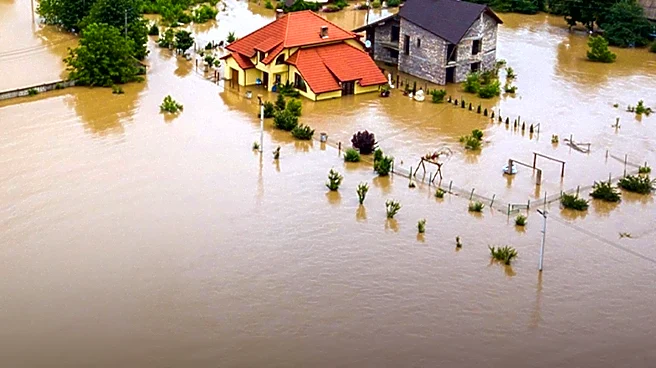
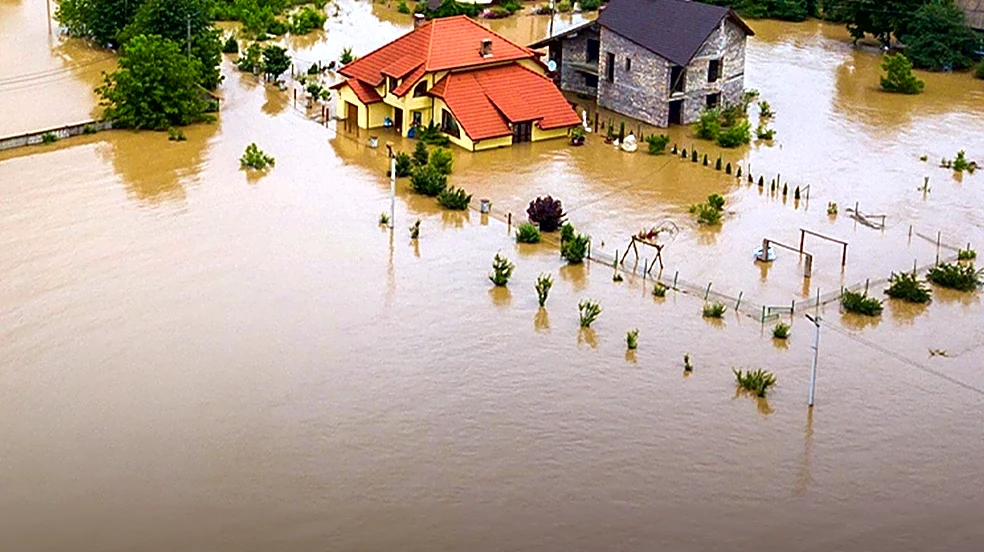
The International Organization for Migration (IOM) has issued a warning that nearly 874,000 people in Somalia could be displaced over the next three months due to severe flooding. This projection comes as Somalia enters a rainy season expected to bring
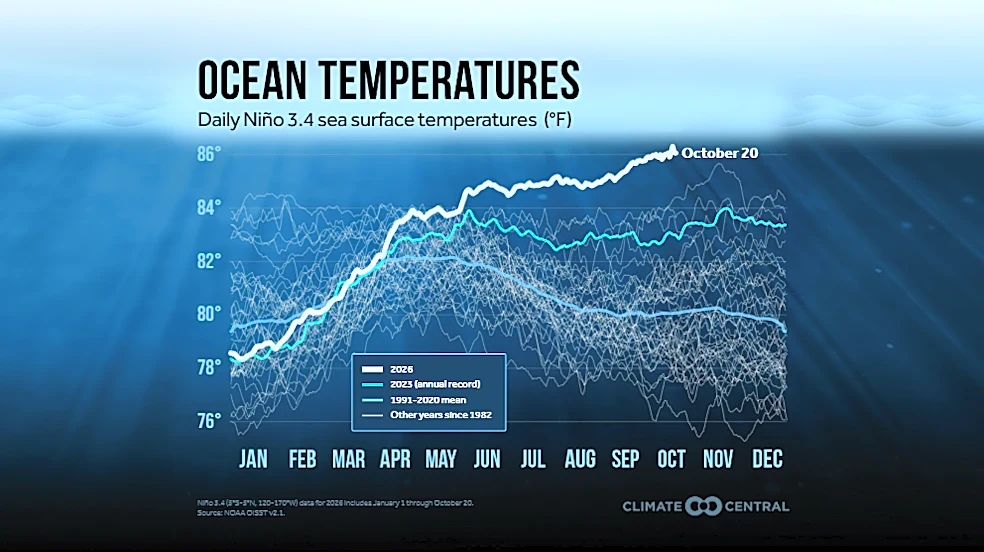
above-normal rainfall, exacerbated by strengthening El Niño conditions. The IOM and the Danish Refugee Council estimate that flooding will account for 92% of the projected displacement between October and December. Manuel Marques Pereira, IOM Somalia Chief of Mission, highlighted that many of these families have already experienced displacement and possess limited resources to cope with further crises. Despite the escalating threat, IOM has only secured 14.4% of the $16.62 million required to prepare for and respond to El Niño-related flooding, which is intended to support over 517,000 people in flood-prone areas. This funding shortfall is hindering efforts to establish safe relocation sites and provide essential services like shelter, clean water, sanitation, and healthcare. The Somali Disaster Management Agency has placed 29 districts across 14 regions on high alert for both riverine and flash flooding, indicating that the humanitarian system is currently under-resourced to meet the anticipated scale of the crisis.
Why It's Important?
The potential mass displacement in Somalia underscores the severe humanitarian and socio-economic consequences of climate-induced disasters, particularly in vulnerable regions. The IOM's significant funding gap highlights a critical challenge in international disaster preparedness and response, where early warnings are not adequately matched with necessary resources. This situation could lead to a deepening humanitarian crisis, characterized by increased food insecurity, health risks due to inadequate sanitation and water, and further strain on already fragile infrastructure. The repeated climate emergencies in Somalia, including the 2023 El Niño floods, demonstrate a cycle of vulnerability where communities have depleted coping mechanisms and receive insufficient external support. The inability to fund proactive measures means that aid organizations are forced into reactive responses, which are often more costly and less effective in mitigating human suffering and long-term damage. This also raises questions about the global community's commitment to climate adaptation and resilience-building in countries disproportionately affected by climate change.
What's Next?
The immediate focus will be on mobilizing additional funding to address the substantial gap identified by the IOM. Without increased financial support, the IOM's ability to implement crucial preparedness and response activities, such as establishing safe relocation areas and providing emergency aid, will remain severely limited. The ongoing heavy rainfall and rising river levels, particularly in areas like Jowhar and Baidoa, suggest that displacement will continue to increase. Humanitarian organizations will likely prioritize efforts to strengthen early warning systems and map evacuation routes, but the effectiveness of these measures will depend on the availability of resources for actual intervention. The situation also calls for enhanced coordination among international donors, humanitarian agencies, and the Somali authorities to ensure a more robust and timely response. The coming months will be a critical test of whether the lessons from previous climate disasters in Somalia have been learned and translated into effective action, or if the cycle of underfunded responses will persist, leading to further loss of life and livelihoods.
Beyond the Headlines
The recurring climate crises in Somalia, exacerbated by insufficient funding for preparedness, reveal a broader systemic issue in global climate justice and humanitarian aid. The disparity between the clear warnings from organizations like the IOM and the actual resources allocated for response highlights a disconnect that disproportionately affects vulnerable populations. This situation can lead to long-term instability, increased internal displacement, and potential regional migration, creating ripple effects beyond Somalia's borders. Ethically, the international community faces a challenge in upholding its responsibility to protect populations most at risk from climate change, especially when these events are predictable. The continuous cycle of disaster and underfunded response can erode trust in international aid mechanisms and further entrench poverty and vulnerability. Addressing this requires not only immediate financial injections but also a re-evaluation of how climate adaptation and disaster risk reduction are prioritized and funded globally, moving towards more proactive and equitable resource allocation.