








What's Happening?
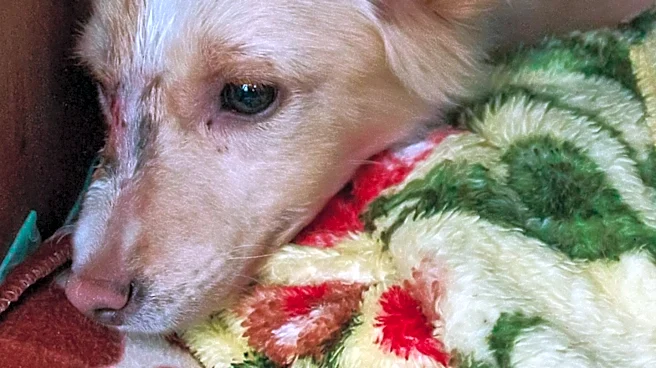
Animal Rescue Corps recently rescued 86 dogs from a puppy mill in Missouri. This operation sheds light on Missouri's significant issue with commercial breeding operations, as the state is home to approximately 800 to 1,000 such facilities, making it the leading
state in America for puppy mills. Many of the rescued animals were found to be in decent condition, though some required surgery. All dogs are reportedly adjusting to human contact after experiencing years of neglect. The rescue group is now preparing these dogs for adoption, aiming to find them loving homes. This event underscores the ongoing challenges in regulating and enforcing animal welfare standards in commercial breeding operations across the state.
Why It's Important?
The rescue of these 86 dogs from a Missouri puppy mill is important because it highlights the pervasive problem of commercial breeding operations in the state, which ranks highest in the U.S. for puppy mills. The sheer number of these facilities, estimated between 800 and 1,000, indicates a systemic issue that impacts animal welfare on a large scale. These operations often involve neglect and suffering, as evidenced by the need for some rescued dogs to undergo surgery and their adjustment period to human contact. This situation underscores the need for more stringent regulations and enforcement to protect animals from inhumane conditions. For potential pet owners, it emphasizes the ethical considerations of pet acquisition and encourages adoption from rescue organizations, which often care for animals saved from such environments. The ongoing existence of so many puppy mills in Missouri also suggests a gap in current animal welfare laws or their enforcement, affecting the state's reputation and the well-being of countless animals.
What's Next?
Following the rescue, the 86 dogs will continue their rehabilitation process with Animal Rescue Corps, which involves medical care and acclimation to human interaction. The organization will then work to find suitable adoptive homes for these animals. This event may also reignite discussions and calls for stricter regulations and increased oversight of commercial breeding operations in Missouri. Animal welfare advocates are likely to use this rescue as a case study to push for legislative changes or enhanced enforcement of existing laws to curb the proliferation of puppy mills. For individuals considering pet ownership, the story serves as a reminder to consider adopting from rescue groups, with adoption fees for puppy mill rescues typically around $250, to support ethical animal welfare practices.
Beyond the Headlines
Beyond the immediate rescue, this event brings to the forefront the ethical and societal implications of commercial animal breeding. The existence of 800 to 1,000 puppy mills in a single state points to a significant demand for commercially bred animals, often at the expense of their welfare. This raises questions about consumer awareness and the choices individuals make when acquiring pets. The long-term impact on animals from such environments, including potential behavioral issues and health problems due to neglect, can be substantial, requiring extensive rehabilitation efforts. Furthermore, the situation highlights the ongoing tension between commercial interests in animal breeding and animal welfare advocacy, often leading to legislative battles and public awareness campaigns. The story also subtly encourages a shift in societal attitudes towards pet acquisition, advocating for adoption over purchasing from sources that may contribute to inhumane practices.