






What's Happening?
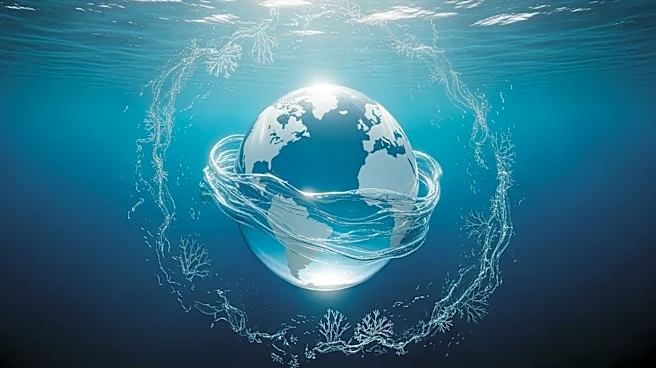
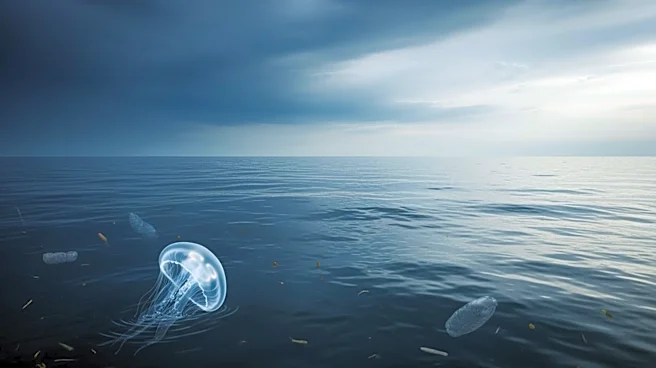
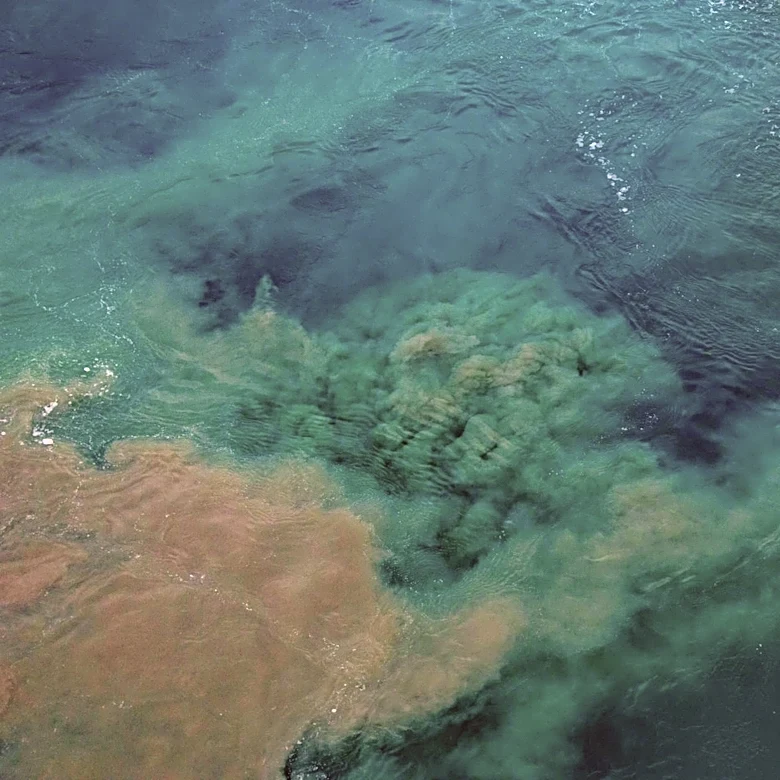
A United Nations report has highlighted a 'deepening crisis' in ocean health, driven by climate change, pollution, overfishing, and biodiversity loss. The assessment, involving 600 scientists from 86 countries, warns of rising sea levels, acidifying seas,
and declining fish stocks, which are critical for global food security. The report emphasizes the urgent need for coordinated global action to address these issues, as the health of oceans is vital for climate stability, biodiversity, and the livelihoods of billions of people worldwide.
Why It's Important?
The findings of the UN report underscore the critical role oceans play in sustaining life on Earth. With 45% of global economic activity occurring along coastlines and 3 billion people living near oceans, the degradation of marine ecosystems poses significant risks to economic stability and food security. The report calls for immediate action to mitigate the impacts of climate change and pollution, which threaten not only marine life but also human communities dependent on ocean resources. The potential loss of biodiversity and disruption of fisheries could have far-reaching consequences for global economies and societies.
What's Next?
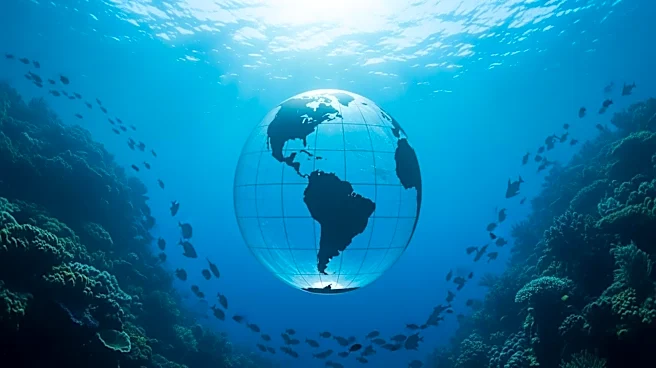
In response to the report, international efforts may intensify to implement policies aimed at reducing pollution and protecting marine biodiversity. The ratification of the UN high seas biodiversity treaty offers a framework for creating marine protected areas, which could help restore ocean health. Governments, environmental organizations, and industry stakeholders will need to collaborate to develop sustainable practices and technologies that minimize environmental impact. Continued research and monitoring will be essential to track progress and adapt strategies as needed.
Beyond the Headlines
The report also highlights the ethical responsibility of nations to preserve ocean health for future generations. The dismantling of ocean sensors by the Trump administration raises concerns about the availability of crucial data needed to inform policy decisions. As the understanding of ocean ecosystems evolves, there is a growing recognition of the interconnectedness of environmental, economic, and social systems. Addressing ocean health requires a holistic approach that considers the long-term implications of human activities on the planet.