




What's Happening?
Recent studies indicate that the North Atlantic 'cold blob,' a cool patch of ocean south of Greenland, may signal a weakening of the Atlantic Meridional Overturning Circulation (AMOC). This ocean current system plays a crucial role in regulating temperatures
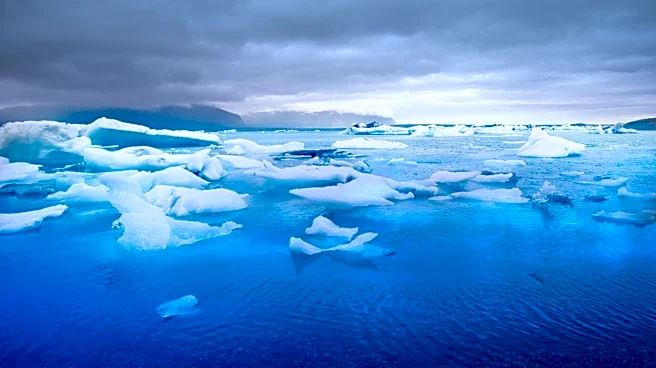
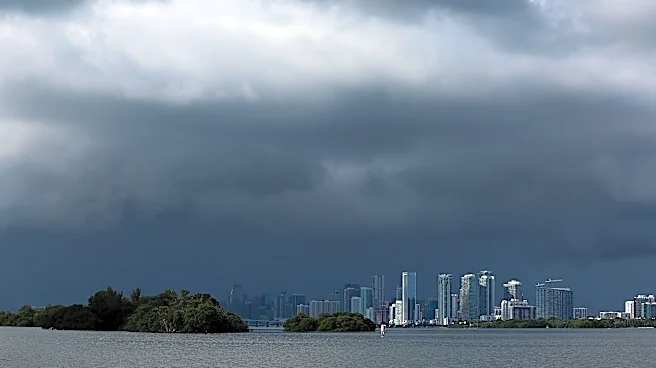
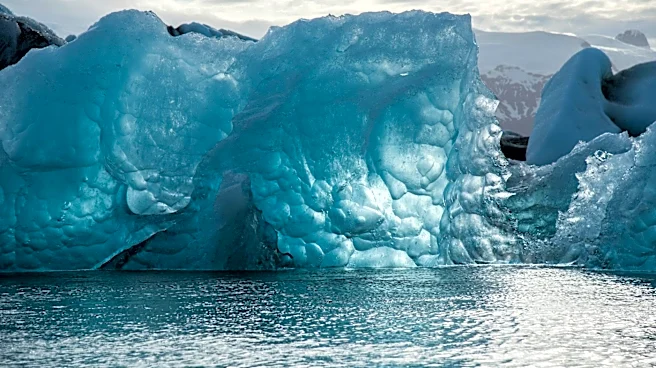
and weather patterns across the Atlantic region. The weakening of the AMOC, exacerbated by climate change and melting Greenland ice, could lead to significant changes in weather patterns, including increased coastal flooding and altered storm tracks in parts of the United States. The Intergovernmental Panel on Climate Change (IPCC) has highlighted potential impacts on rainfall and storm systems in eastern North America, although specific regional effects remain uncertain.
Why It's Important?
The weakening of the AMOC could have profound implications for the U.S., particularly along the East Coast. Rising sea levels and increased coastal flooding are major concerns, with studies suggesting that AMOC weakening may account for a significant portion of the increased flood days in the Northeast since 2005. Changes in weather patterns could also affect agriculture, infrastructure, and disaster preparedness. Understanding these shifts is crucial for policymakers and communities to develop adaptive strategies and mitigate potential economic and social impacts.
What's Next?
Further research is needed to refine predictions about the AMOC's impact on specific U.S. regions. Policymakers and scientists will likely focus on monitoring the AMOC and developing strategies to address the potential consequences of its weakening. This may include investing in coastal defenses, revising flood management plans, and enhancing climate resilience in vulnerable areas.
Beyond the Headlines
The weakening of the AMOC highlights the interconnectedness of global climate systems and the far-reaching impacts of climate change. It underscores the need for international cooperation in climate research and policy-making. Additionally, it raises ethical questions about the responsibility of industrialized nations to address climate change and support vulnerable communities.