


What's Happening?
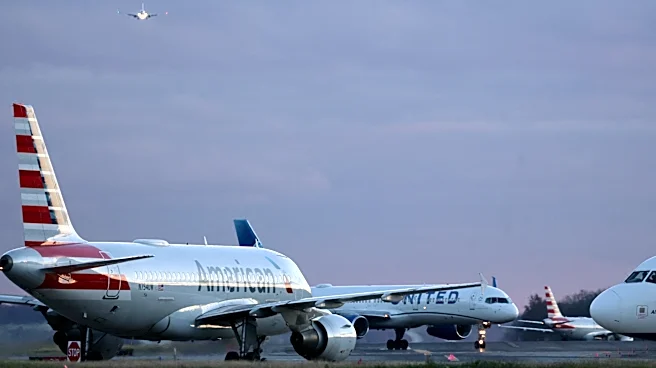
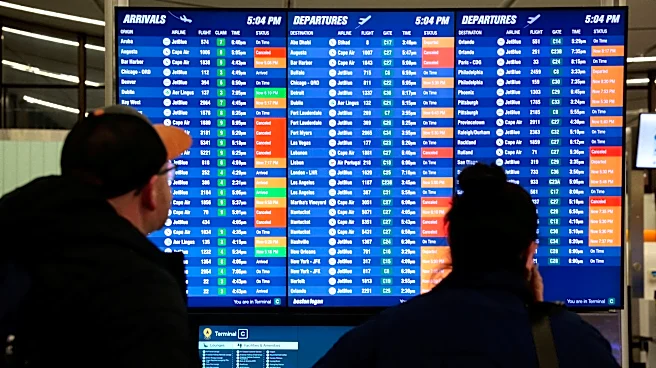
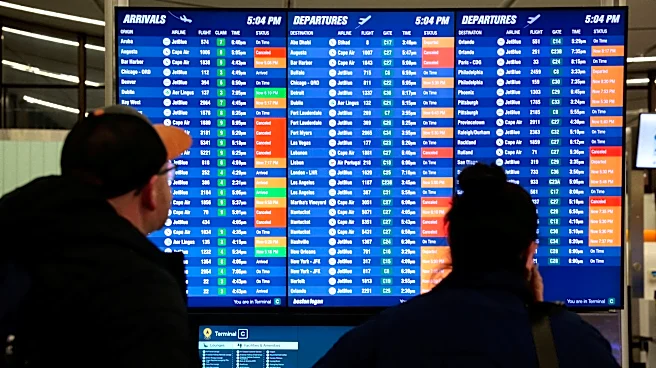
The Federal Aviation Administration (FAA) has issued a nationwide ground stop, halting all outgoing flights across the United States. This action was taken due to a significant communication issue impacting all air traffic control centers. As a direct
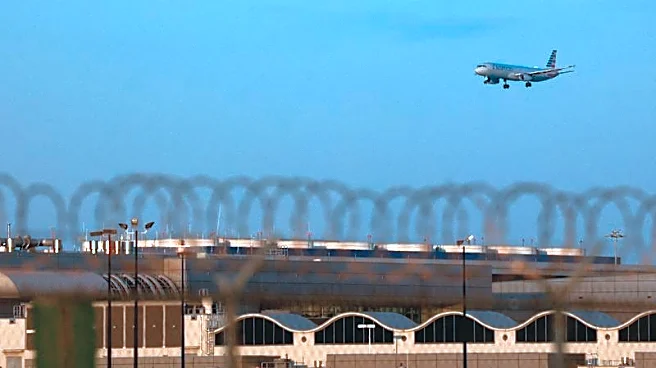
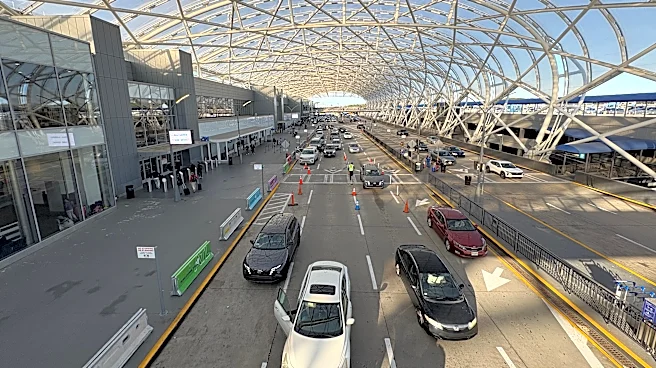
consequence, passengers at Hartsfield-Jackson Atlanta International Airport and other airports nationwide are currently stranded. Reports indicate that flights were grounded for an undetermined amount of time, leading to confusion and frustration among travelers. Some passengers, like Ashley Aylward at Hartsfield-Jackson, were already on their planes preparing for takeoff when the ground stop was announced. The situation has left many without clear updates on when they will be able to depart or return home. The Atlanta Police Chief has reassured the public about police presence at the airport during this disruption.
Why It's Important?
This nationwide ground stop has significant implications for air travel, commerce, and public confidence in aviation infrastructure. Hartsfield-Jackson Atlanta International Airport, being one of the busiest airports globally, experiences a substantial impact, affecting thousands of travelers and potentially disrupting supply chains that rely on air cargo. The communication issue within air traffic control centers highlights a critical vulnerability in the nation's air transportation system. Such disruptions can lead to substantial economic losses for airlines, airports, and businesses dependent on timely deliveries. For individuals, it means missed connections, delayed business meetings, and personal inconveniences, underscoring the fragility of modern travel systems when core infrastructure faces technical failures. The incident also raises questions about the resilience and redundancy of critical communication systems within the FAA.
What's Next?
While the airspace has reportedly reopened after the nationwide ground stop, the immediate aftermath will involve significant flight cancellations and delays as airlines work to resume normal operations. Passengers should anticipate continued disruptions and are advised to check with their airlines for updated flight information. The FAA will likely conduct a thorough investigation into the communication issue that caused the ground stop to prevent future occurrences. Airlines will face the challenge of rebooking stranded passengers and managing the logistical complexities of a disrupted flight schedule. The Department of Transportation may also review its policies regarding passenger payouts during such widespread disruptions, as a new DOT rule could limit compensation in these circumstances. The incident will likely prompt discussions about further investments in modernizing air traffic control systems.
Beyond the Headlines
The incident extends beyond immediate travel delays, touching upon broader issues of national infrastructure security and preparedness. A communication failure of this magnitude in air traffic control raises concerns about potential cyber vulnerabilities or systemic weaknesses that could be exploited. The public's reaction, with some passengers recalling the anxieties of 9/11, underscores the psychological impact of sudden, unexplained disruptions to critical services. This event could serve as a catalyst for increased scrutiny and investment in the resilience of the nation's air travel infrastructure, not just in terms of physical security but also in the robustness of its digital and communication networks. It also highlights the interconnectedness of global travel, where a single point of failure can have cascading effects across the entire system.