




What's Happening?
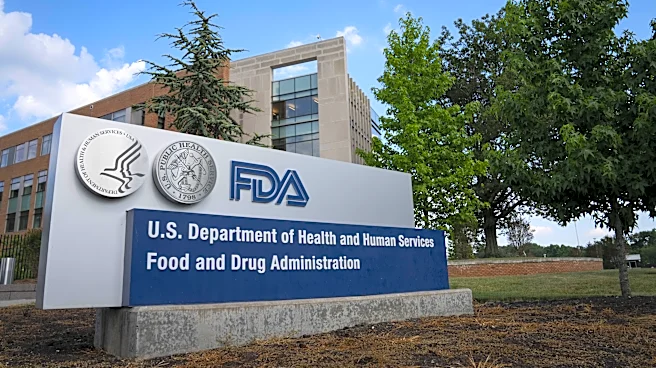
The U.S. Food and Drug Administration (FDA) advises consumers to follow cooking instructions for frozen vegetables, as freezing does not reliably eliminate harmful bacteria. This guidance emphasizes that frozen produce, while often comparable in nutritional
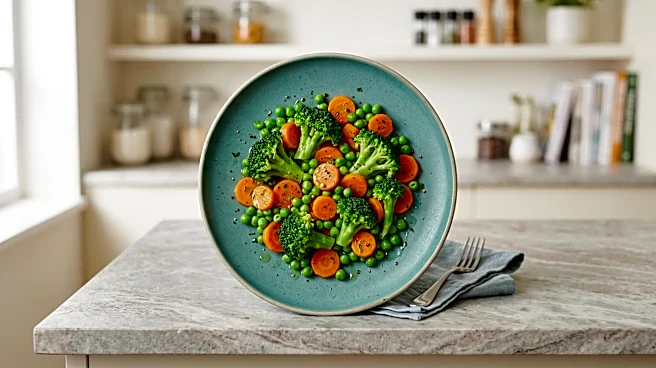
value to fresh options, should not be assumed ready-to-eat if labeled for cooking. A 2015 laboratory study comparing four vitamin-related compounds in eight fruits and vegetables, including broccoli, carrots, spinach, and peas, found frozen samples to be nutritionally comparable to, and sometimes superior to, their fresh counterparts. A separate 2017 study further supported these findings, showing no significant differences in vitamin C, beta-carotene, and folate between fresh, frozen, and refrigerated-fresh categories across eight fruits and vegetables, with frozen often outperforming refrigerated-fresh. These studies, however, were associated with the industry-affiliated Frozen Food Foundation.
Why It's Important?
This FDA guidance is crucial for public health, as it directly addresses potential food safety risks associated with the improper consumption of frozen vegetables. Misconceptions about the safety of thawed but uncooked frozen produce could lead to foodborne illnesses. For consumers, understanding that 'frozen does not necessarily mean ready to eat' is vital for safe food preparation. The nutritional comparisons highlight that frozen vegetables can be a convenient and healthy alternative to fresh, offering similar vitamin levels. This information can influence consumer purchasing habits and dietary choices, potentially increasing the consumption of vegetables due to their accessibility and ease of storage. The involvement of the Frozen Food Foundation in the research, while noted, underscores the industry's interest in promoting frozen produce as a viable and nutritious option.
What's Next?
Consumers are encouraged to prioritize reading and adhering to cooking instructions on frozen vegetable packaging. Food manufacturers may reinforce these guidelines on their product labels and through public awareness campaigns to ensure safe consumption. Retailers might also play a role in educating customers about proper handling and preparation of frozen foods. The ongoing research into the nutritional content and safety of frozen foods will continue to inform public health recommendations and industry practices. This emphasis on food safety and proper preparation is likely to remain a key focus for regulatory bodies like the FDA, especially as consumers increasingly rely on frozen options for convenience.
Beyond the Headlines
The discussion around frozen versus fresh vegetables extends beyond immediate nutritional content and safety, touching upon broader themes of food waste, accessibility, and convenience. Frozen vegetables often have a longer shelf life, which can help reduce food waste in households. They also offer a practical solution for individuals with limited access to fresh produce or those with busy lifestyles, ensuring consistent access to essential nutrients. The FDA's clarification on cooking requirements highlights the importance of food literacy and the need for consumers to be informed about the nuances of food preparation, regardless of the product's form. This also subtly reinforces the role of regulatory bodies in guiding public health decisions amidst evolving food production and consumption patterns.