
What's Happening?
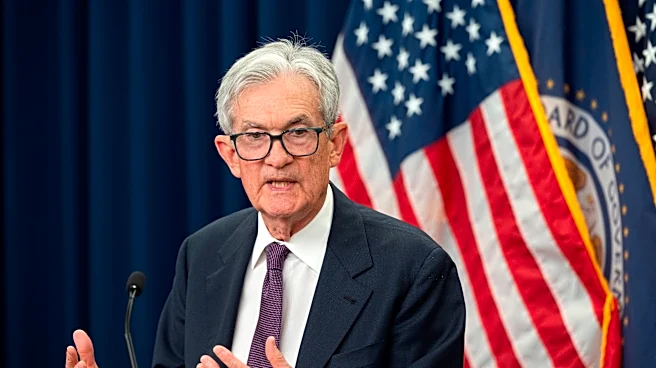
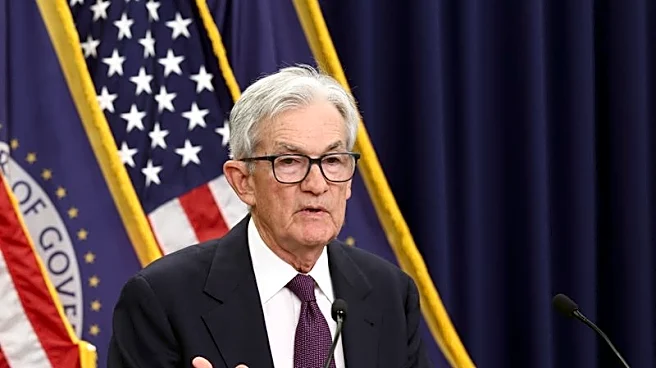
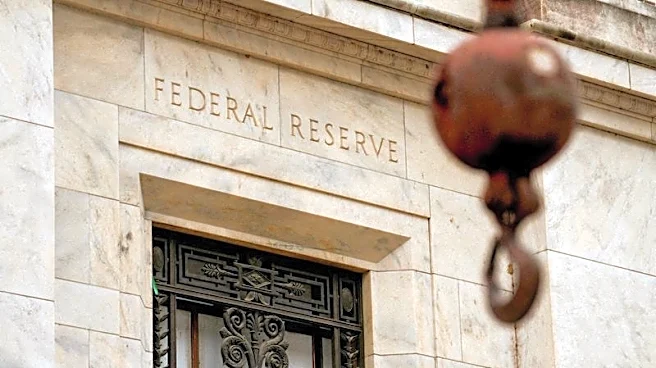
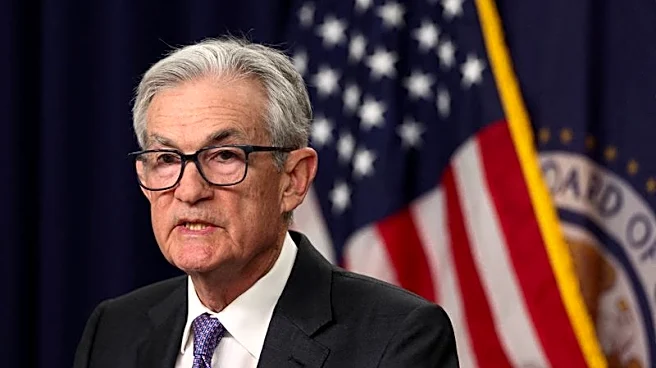
Jerome Powell, the outgoing Chair of the Federal Reserve, has announced his decision to remain on the board of governors, a move that has sparked controversy and denied the Trump administration a crucial
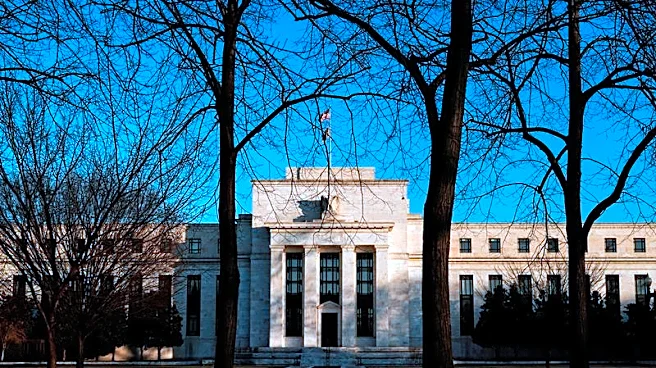
seat on the board. This decision comes in response to the legal pressures exerted by the Trump administration, which included attempts to fire Powell and other governors, as well as a criminal investigation into the Federal Reserve's renovation project. Powell's decision to stay is seen as an act of resistance against the administration's efforts to reshape the Federal Reserve. The Federal Open Market Committee recently experienced a split vote on interest rates, with several members opposing the White House's push for rate cuts. This situation highlights the ongoing tension between the Federal Reserve and the Trump administration.
Why It's Important?
Powell's decision to remain on the board is significant as it prevents the Trump administration from filling a key vacancy, potentially delaying its plans to implement sweeping changes at the Federal Reserve. The administration's aggressive tactics have backfired, reinforcing the Federal Reserve's independence and highlighting the challenges of political interference in monetary policy. The situation underscores the importance of maintaining the central bank's autonomy to ensure stable economic governance. The resistance from the Federal Reserve could have broader implications for U.S. economic policy, as it may influence future decisions on interest rates and monetary policy, impacting businesses, consumers, and the overall economy.
What's Next?
The Federal Reserve is likely to continue facing political pressure from the Trump administration, particularly as it seeks to influence monetary policy decisions. The administration may explore other avenues to assert its influence over the central bank, potentially leading to further legal and political confrontations. The outcome of these tensions could shape the future direction of U.S. monetary policy, with potential implications for interest rates, inflation, and economic growth. Stakeholders, including businesses and financial markets, will be closely monitoring developments to assess the impact on economic stability and investment decisions.
Beyond the Headlines
The ongoing conflict between the Federal Reserve and the Trump administration raises important questions about the balance of power between political authorities and independent institutions. The situation highlights the ethical and legal challenges of maintaining central bank independence in the face of political pressure. It also underscores the potential long-term consequences of undermining institutional autonomy, which could affect public trust in economic governance and the credibility of monetary policy. The Federal Reserve's resistance may serve as a precedent for other institutions facing similar pressures, reinforcing the importance of safeguarding institutional integrity.