






What's Happening?
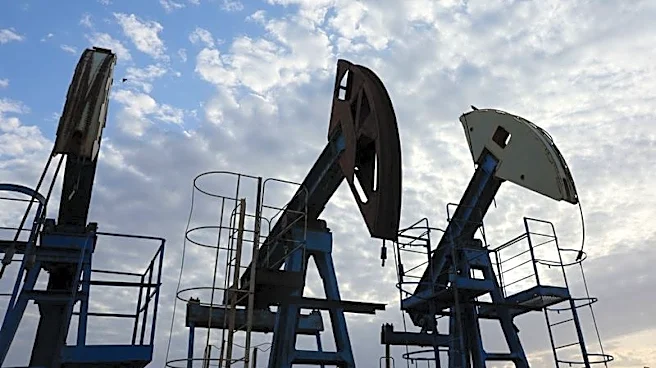
The United Nations has revised its global economic growth forecast for 2026, citing the ongoing Middle East energy crisis as a key factor. The UN now projects a global GDP growth of 2.5%, down from the previous estimate of 2.7%. This adjustment is attributed
to rising oil prices and geopolitical tensions, particularly the conflict involving Iran, which has disrupted oil shipments through the Strait of Hormuz. The UN report highlights that while a global recession is not imminent, the economic impact will be uneven, with developing countries facing higher inflation rates. The energy crisis has particularly affected West Asia, where economic growth is expected to decline significantly due to infrastructure damage and disruptions in oil production.
Why It's Important?
The lowered economic growth forecast underscores the significant impact of geopolitical tensions on global markets. Rising oil prices contribute to increased costs for energy and transportation, affecting both developed and developing economies. The situation highlights the interconnectedness of global economies and the potential for regional conflicts to have widespread economic repercussions. For the U.S., the economy is expected to remain relatively resilient, but the broader global economic slowdown could affect international trade and investment. The crisis also emphasizes the importance of energy security and diversification to mitigate the impact of such disruptions.
What's Next?
The UN's revised forecast may prompt countries to reassess their economic strategies and prioritize energy security. Policymakers might explore alternative energy sources and strengthen international cooperation to stabilize energy markets. The ongoing situation could lead to increased diplomatic efforts to resolve the Middle East conflict and ensure the free flow of oil through critical waterways. Additionally, countries may need to implement measures to cushion their economies against potential inflationary pressures and support vulnerable sectors affected by rising energy costs.