



What's Happening?
A recent study published in the Journal of the American Heart Association has found that incorporating avocados and mangoes into the diet can significantly improve cardiovascular health, particularly for individuals with prediabetes. The study involved
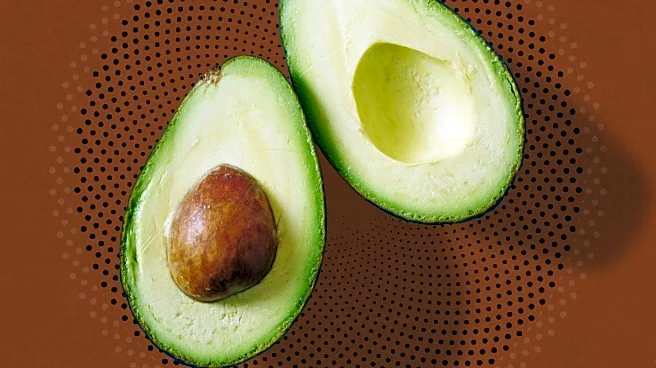
two groups of adults with prediabetes. One group added a medium Hass avocado and a cup of fresh mango to their daily meals for eight weeks, while the control group consumed carbohydrate-based foods instead. The results showed that the group consuming avocados and mangoes experienced improvements in blood vessel function and diastolic blood pressure. The study highlights the nutritional benefits of these fruits, with avocados providing heart-healthy monounsaturated fats and fiber, and mangoes offering vitamin C and antioxidants.
Why It's Important?
This research underscores the potential of simple dietary changes to improve heart health, especially for those at risk of cardiovascular diseases. With cardiovascular disease being a leading cause of death globally, the findings suggest that nutrient-dense foods like avocados and mangoes can enhance specific health markers without requiring significant lifestyle changes. This is particularly relevant for the millions of Americans with prediabetes, who may find comprehensive health advice overwhelming. The study supports the idea that food can be a powerful tool in managing health risks, offering a practical approach to reducing cardiovascular disease risk through diet.
What's Next?
The study's findings may encourage further research into the role of specific foods in managing prediabetes and cardiovascular health. Healthcare providers might consider recommending the inclusion of avocados and mangoes in the diets of patients with prediabetes as part of a broader strategy to manage heart health. Additionally, these results could influence dietary guidelines and public health recommendations, promoting the consumption of nutrient-rich foods as a preventive measure against cardiovascular diseases.
Beyond the Headlines
The study highlights a shift towards recognizing the impact of specific foods on health beyond traditional dietary advice. It suggests a move towards personalized nutrition, where individuals can make small, manageable changes to their diet that have significant health benefits. This approach could lead to a broader acceptance of food-first strategies in healthcare, emphasizing the role of diet in disease prevention and management.