








What's Happening?
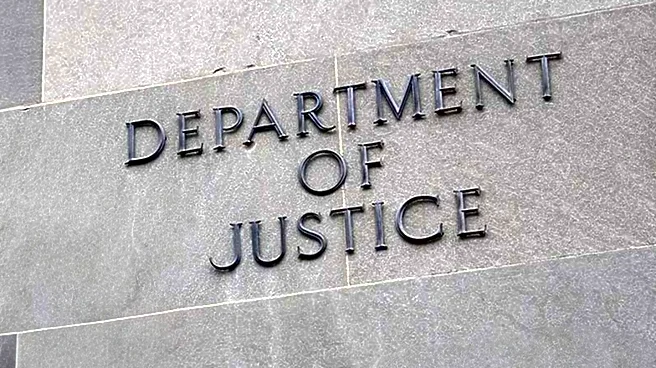
Over 1,200 former employees of the Department of Justice have called on U.S. senators to reject the confirmation of acting Attorney General Todd Blanche. The group, organized by the Justice Connection, claims that Blanche has fostered a 'culture of fear'
within the DOJ, undermining its apolitical workforce. The letter, first reported by MeidasTouch, criticizes Blanche for prioritizing loyalty to President Trump over constitutional duties, leading to the dismissal of experienced career employees. These actions, they argue, have compromised the department's ability to protect national security and uphold Americans' rights. Blanche's tenure has been marked by controversial decisions, including the establishment of an 'Anti-Weaponization Fund' to support Trump loyalists and the mishandling of case files related to Jeffrey Epstein.
Why It's Important?
The opposition to Todd Blanche's confirmation highlights significant concerns about the politicization of the Department of Justice under the Trump administration. The former DOJ employees argue that Blanche's leadership has led to a degradation of the department's integrity and effectiveness. This situation underscores the broader issue of maintaining an independent and apolitical justice system, which is crucial for upholding the rule of law and public trust. The outcome of Blanche's confirmation could have lasting implications for the DOJ's ability to function impartially and effectively, affecting national security and civil rights protections.
What's Next?
The Senate's decision on Todd Blanche's confirmation will be closely watched, as it could set a precedent for future appointments within the DOJ. If confirmed, Blanche's leadership style and policies may continue to influence the department's operations and its relationship with the executive branch. Conversely, a rejection could signal a pushback against perceived politicization and a call for restoring the DOJ's independence. Stakeholders, including political leaders and civil society groups, are likely to respond based on the outcome, potentially influencing future nominations and the broader political landscape.