





What's Happening?
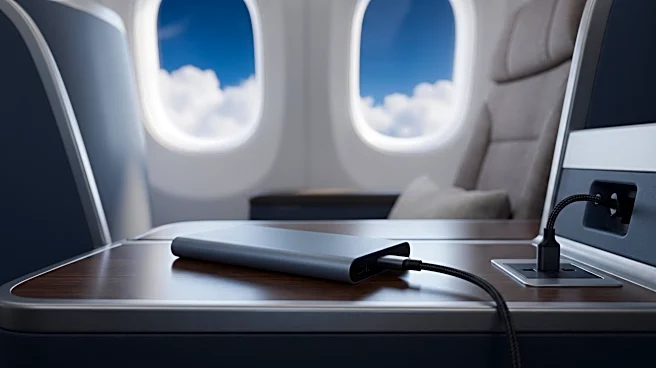
A power bank belonging to former KLM Royal Dutch Airlines CEO Camiel Eurlings ignited mid-flight on a journey from Amsterdam to Curaçao, forcing the commercial aircraft to return to Amsterdam. The incident occurred while Eurlings, who served as CEO from July
2013 to October 2014, was reportedly charging the device using an in-seat power outlet in business class. The flight crew promptly followed applicable procedures to extinguish the fire. Following the safe return to Amsterdam, passengers were rebooked on a flight departing the next morning. This event underscores the potential hazards associated with lithium-ion batteries in portable electronic devices, especially when charged during flights, and highlights the importance of airline safety protocols.
Why It's Important?
This incident highlights the critical safety concerns surrounding lithium-ion batteries in portable electronic devices on commercial flights. The fire, caused by a power bank, demonstrates the potential for such devices to malfunction and create dangerous situations, even leading to a flight diversion. Airlines, including KLM, have strict regulations regarding the handling and charging of these devices due to their inherent risks, such as overheating or ignition. The fact that a former CEO of the airline was reportedly charging a power bank in a manner that led to a fire could draw increased scrutiny to passenger adherence to these rules, regardless of their position. This event reinforces the need for continuous passenger education on airline policies concerning portable electronic devices and their batteries to prevent similar occurrences and ensure the safety of all on board.
What's Next?
Following the incident, KLM rebooked the affected passengers on a subsequent flight to their destination. The airline will likely continue to emphasize and enforce its existing policies regarding the use and charging of portable electronic devices with lithium-ion batteries. This event may prompt further internal reviews of safety procedures and passenger communication strategies concerning these devices. It could also lead to broader discussions within the aviation industry about the risks associated with power banks and other lithium-ion battery-powered electronics, potentially influencing future regulations or best practices for airlines globally. Passengers are expected to be reminded to check their airline's specific policies before flying to avoid similar disruptions and ensure compliance with safety guidelines.
Beyond the Headlines
The incident involving the former KLM CEO's power bank raises deeper questions about the enforcement and awareness of airline safety regulations, particularly concerning portable electronic devices. While airlines have clear rules, the event suggests that even individuals with intimate knowledge of the industry might inadvertently or intentionally bypass them. This could lead to a re-evaluation of how these rules are communicated and enforced, moving beyond simple advisories to potentially more stringent in-flight monitoring or technological solutions to prevent improper charging. The increasing prevalence of lithium-ion battery devices in daily life means such incidents could become more frequent, posing a continuous challenge for aviation safety. It also highlights the ethical responsibility of all passengers, regardless of their background, to adhere to safety protocols for the collective well-being of everyone on board.