




What's Happening?
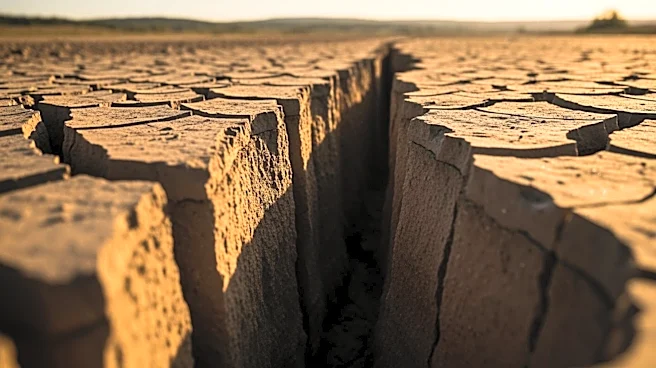
Recent scientific findings indicate that the Turkana Rift in Eastern Africa is undergoing significant geological changes, suggesting the continent may be closer to breaking apart than previously thought. The Turkana Rift, part of the larger East African
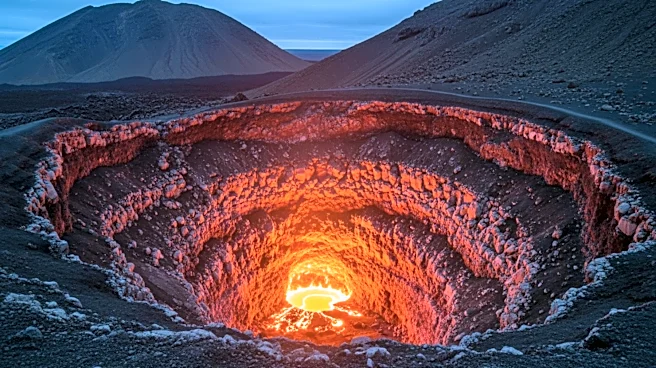
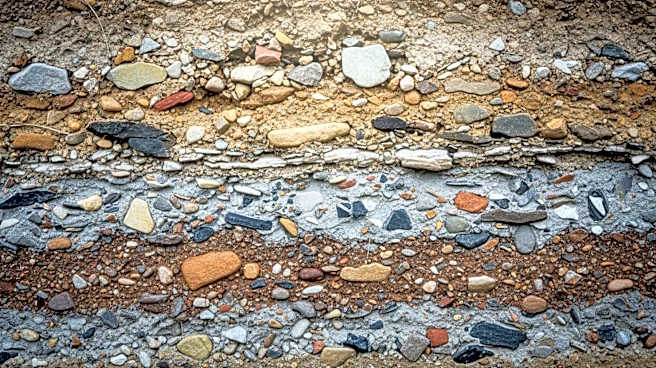
Rift System, is experiencing advanced rifting, with the crust beneath it thinning more than previously recognized. This process, driven by the movement of tectonic plates, is causing the crust to stretch and crack, allowing magma to rise. The study, led by Christian Rowan from Columbia University's Lamont-Doherty Earth Observatory, utilized high-quality seismic data to map sediment structures and measure crust thickness. The findings show that the crust along the rift's center is only about 13 kilometers thick, compared to over 35 kilometers farther away, indicating a critical phase known as 'necking.' This phase suggests the rift is on a path to potentially split the continent, although such changes occur over millions of years.
Why It's Important?
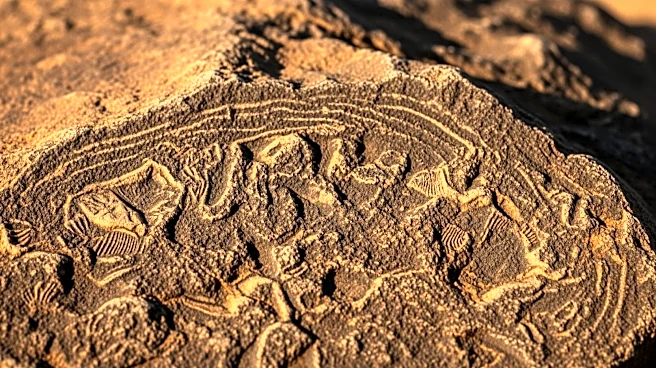
The implications of the Turkana Rift's geological activity are significant for understanding continental dynamics and human evolution. The thinning crust and advanced rifting could eventually lead to the formation of a new ocean, altering the geography of Africa. Additionally, the region's unique fossil record, which includes over 1,200 hominin fossils, may be better understood through these geological processes. The conditions created by the rift's subsidence have preserved a continuous fossil record, offering insights into human evolution. This research challenges traditional ideas about continental breakup and provides a rare opportunity to study active rifting, which can inform models of tectonic and climate interactions. The findings could also influence future research on how geological changes impact ecosystems and human history.
What's Next?
While the Turkana Rift's breakup is a slow process, scientists will continue to monitor its progression. The next phase, known as oceanization, may take several million years to occur, involving magma rising to form new seafloor and potentially flooding the area with ocean water. Researchers will use the data to refine tectonic models and explore the impact of geological changes on climate and human evolution. The study opens new avenues for understanding the relationship between tectonics and the preservation of fossils, potentially reshaping theories about human origins. Continued collaboration with institutions like the Turkana Basin Institute will be crucial for advancing this research.
Beyond the Headlines
The study of the Turkana Rift offers broader insights into Earth's geological processes and their impact on human history. The concept of 'necking' and its role in continental breakup challenges existing theories and highlights the complexity of tectonic evolution. The research underscores the interconnectedness of geological and biological systems, suggesting that shifts in Earth's crust can influence climate patterns and biodiversity. As scientists gain a deeper understanding of these processes, they can better predict future changes and their implications for global ecosystems. The Turkana Rift serves as a natural laboratory for studying these dynamics, providing valuable data for reconstructing past environments and anticipating future shifts.