



What's Happening?
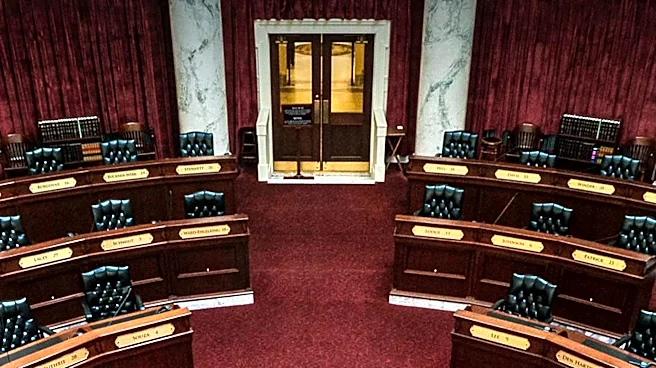
An Alaska legislative task force on education funding has received extensive public feedback, with nearly 10 hours of public comment overwhelmingly supporting increased investment in K-12 schools. Alaskans from across the state voiced their opinions on an initial
draft of recommendations from the joint legislative task force. The draft report proposes several key measures, including increasing state education funding to keep pace with inflation, separating funding for school facilities from instructional funding, and addressing a substantial backlog in maintenance for school infrastructure. Additionally, the task force recommends contracting an adequacy study to thoroughly evaluate the state’s current spending levels on education. Concerns were also raised during the public comment period regarding potential changes to homeschool programs, indicating a broader interest in the future of educational policy in the state.
Why It's Important?
The strong public support for increased K-12 education funding in Alaska underscores a widespread recognition of the critical role schools play in the state's future. Adequate funding is essential for maintaining educational quality, attracting and retaining qualified teachers, and providing necessary resources for students. The proposed recommendations, if implemented, could lead to significant improvements in Alaska's education system, potentially boosting student performance and long-term economic development. Addressing the maintenance backlog in school facilities is crucial for ensuring safe and conducive learning environments. Furthermore, an adequacy study could provide a data-driven basis for future funding decisions, ensuring that resources are allocated effectively to meet the educational needs of all Alaskan students. The debate also highlights the ongoing tension between state budget constraints and the public demand for robust educational services, impacting taxpayers and future generations.
What's Next?
The Alaska legislative task force will now consider the extensive public comments as it refines its draft recommendations for K-12 education funding. The next steps will likely involve further deliberation among task force members to incorporate feedback and finalize their proposals. These recommendations will then be presented to the state legislature, which will ultimately decide on the allocation of funds and any policy changes. The process will involve legislative hearings, debates, and potentially the drafting of new bills to implement the proposed funding increases and structural reforms. Stakeholders, including educators, parents, and community leaders, will continue to advocate for their priorities as the legislative process unfolds. The outcome will determine the future financial landscape for Alaska's public schools and could lead to significant shifts in educational policy and resource distribution.
Beyond the Headlines
The discussion around increased education funding in Alaska touches upon deeper societal values concerning public investment and the future of the state's workforce. Beyond the immediate financial implications, robust K-12 education is a cornerstone for economic diversification and social mobility. A well-funded education system can help prepare students for diverse career paths, reduce reliance on single industries, and foster innovation. The concerns raised about homeschool programs also highlight the broader debate on educational choice and the role of the state in overseeing various forms of schooling. The task force's work could set a precedent for how Alaska prioritizes its long-term human capital development, potentially influencing demographic trends and the state's attractiveness for families and businesses. The outcome will reflect Alaska's commitment to its youth and its vision for a sustainable and prosperous future.