




What's Happening?
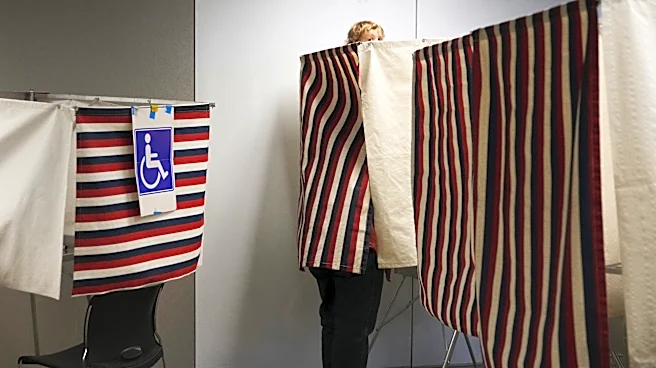
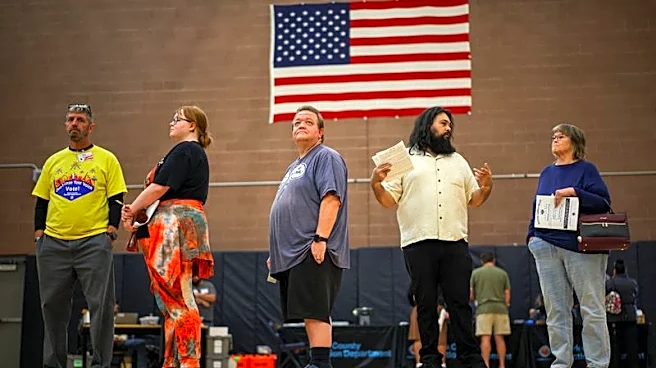
Oklahoma voters have decided to retain all nine of the state's appellate judges for another term. This decision was made during Tuesday night's elections, where appellate judges appear on nonpartisan ballots and are not permitted to campaign or raise
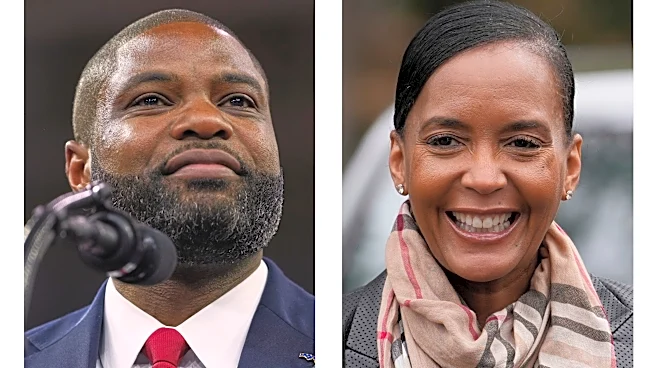
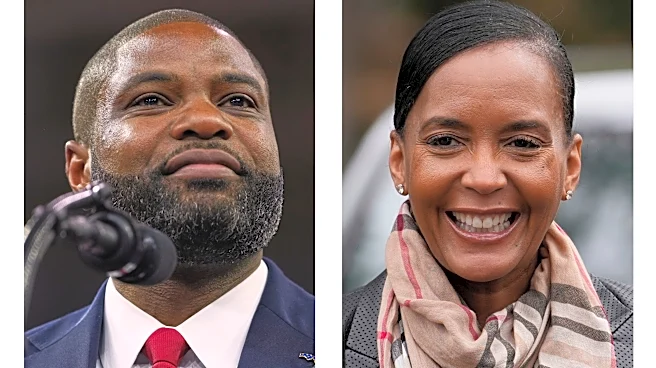
funds. Historically, only one appellate judge has not been retained since the judicial system reform nearly 60 years ago. In Tulsa County, voters filled three district judge positions. Incumbent Caroline Wall secured re-election for Office 1, defeating Tom Sawyer. For Office 4, Loretta Radford won the open seat, having previously served as a Tulsa County special judge in the family division and as acting U.S. Attorney during the first Trump administration. Incumbent Kevin Gray was re-elected for Office 12, defeating Christopher Camp.
Why It's Important?
The retention of all appellate judges in Oklahoma underscores a consistent pattern of voter approval for the state's nonpartisan judicial system. This stability in the higher courts ensures continuity in legal interpretation and judicial precedent, which is crucial for the state's legal framework and public confidence in the judiciary. For Tulsa County, the election of district judges directly impacts local justice administration, affecting areas from family law to civil disputes. The election of Loretta Radford, with her background as a special judge and acting U.S. Attorney, brings a wealth of experience to the district court, potentially influencing the efficiency and approach to cases within her jurisdiction. These judicial outcomes reflect the voters' preferences for experience and stability in their legal system.
Beyond the Headlines
The nonpartisan nature of Oklahoma's appellate judicial elections, where judges cannot campaign or fundraise, presents a unique model compared to many other states. This system aims to insulate judges from political pressures and financial influences, theoretically promoting impartiality and a focus on legal merit rather than electoral popularity. However, it also means voters must rely heavily on existing information and judicial records to make informed decisions, as direct engagement from candidates is limited. The high retention rate suggests that this system generally fosters public trust in the judiciary's performance. The election of judges with diverse professional backgrounds, such as Radford's experience as a prosecutor and special judge, can bring varied perspectives to the bench, potentially shaping judicial approaches and legal outcomes in the long term.