




What's Happening?
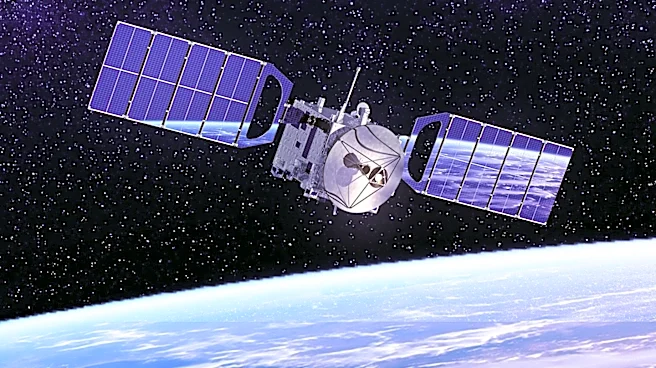
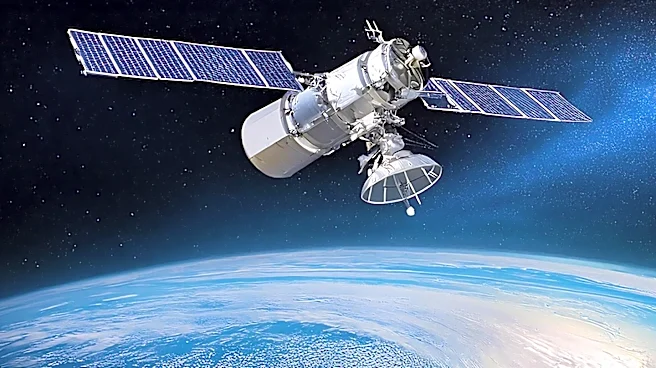
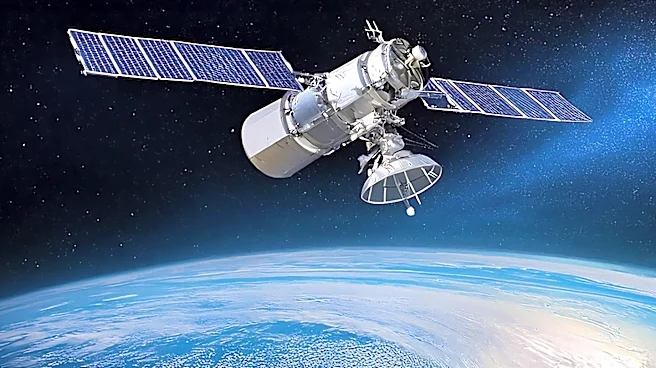
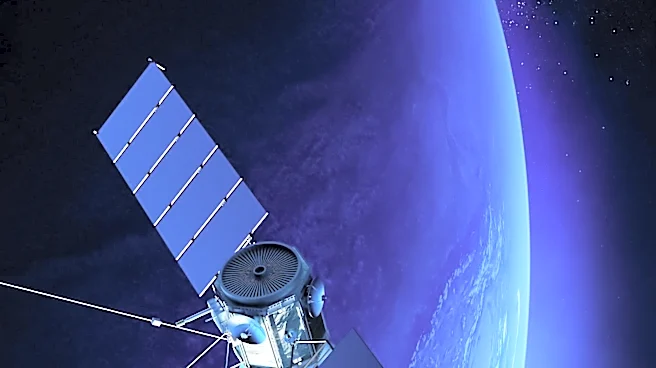
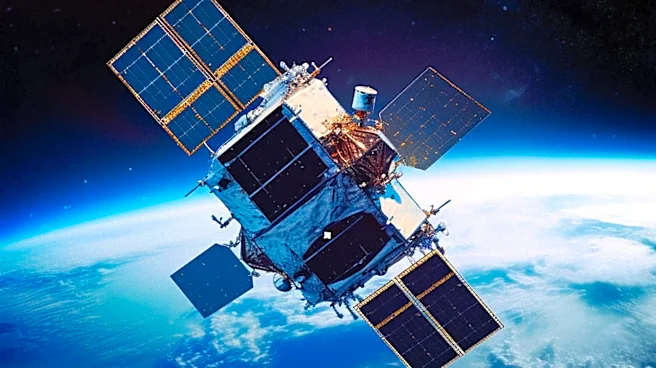
The U.S. Space Force has awarded prototype contracts to Northrop Grumman and True Anomaly for the development of new reconnaissance satellites. These 'space-to-space' satellites are designed to provide high-resolution imagery of objects orbiting more
than 22,000 miles above Earth. The contracts were issued under the Geosynchronous High-Resolution Optical Space-Based Tactical Reconnaissance program, or GHOST-R, on September 18. This initiative aims to enhance the U.S. defense capacity in space by fielding a fleet of agile, low-cost reconnaissance satellites in geosynchronous orbit by the end of the decade. General Stephen Whiting, head of U.S. Space Command, emphasized the necessity of these capabilities to 'find, fix, track, and target' threats in space. Both Northrop Grumman and True Anomaly are already involved with the Space Force in developing space-based interceptors for the Pentagon’s Golden Dome missile defense initiative.
Why It's Important?
This development is crucial for U.S. national security, particularly in the evolving domain of space warfare. The ability to conduct high-resolution space-to-space reconnaissance will significantly improve the U.S. military's situational awareness and its capacity to monitor and respond to potential threats in orbit. As space becomes increasingly contested, with more nations and private entities operating satellites, the need for advanced tracking and targeting capabilities is paramount. The GHOST-R program's focus on commercially developed space vehicles and electro-optical payloads also signals a strategic shift towards leveraging private sector innovation for defense applications, potentially accelerating development timelines and reducing costs. This investment underscores the Pentagon's commitment to maintaining a technological edge in space, which is vital for protecting critical U.S. space assets and ensuring the continued functionality of satellite-dependent services.
What's Next?
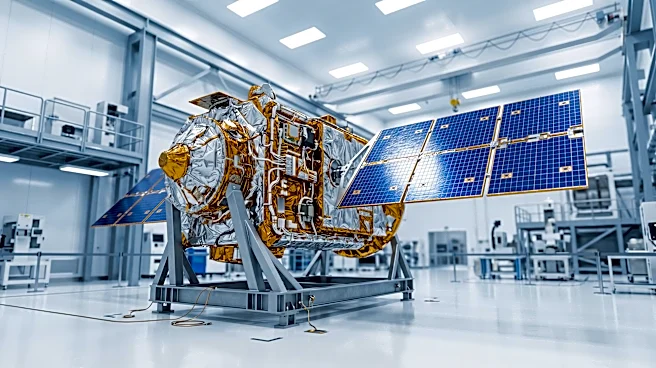
Northrop Grumman is expected to deliver a prototype, described as the size of a 'small suitcase' and built on its ESPASat-L spacecraft with a commercial optical sensor, within an accelerated 24-month timeline. True Anomaly will provide its Jackal autonomous orbital vehicle and Mosaic command-and-control system. The new GHOST-R prototypes are slated for launch directly to geosynchronous orbit by 2028, with government-owned and operated missions expected to commence by 2029. While the specific financial details of the contracts have not been disclosed, the Space Force has confirmed that the funding did not originate from Andromeda, its existing $6.2 billion contract pool for the RG-XX program. This suggests dedicated funding for this critical reconnaissance capability. The successful deployment and operation of these satellites will likely lead to further advancements and expanded capabilities in space-based surveillance and defense.
Beyond the Headlines
The GHOST-R program represents a broader strategic pivot in U.S. space defense, moving beyond traditional ground-based tracking to active, in-orbit reconnaissance. This shift acknowledges the increasing sophistication of potential adversaries' space capabilities and the growing importance of space as a domain for national security. The collaboration with both established defense primes like Northrop Grumman and newer space tech companies like True Anomaly highlights a dual approach: leveraging proven expertise while fostering innovation from agile startups. This could set a precedent for future defense procurement, emphasizing speed and adaptability. Furthermore, the program's focus on 'characterizing resident space objects' suggests an intent not just to identify threats, but to understand their capabilities and intentions, adding a layer of intelligence to space operations. This could lead to new doctrines for space engagement and defense, potentially influencing international norms and treaties regarding military activities in orbit.