



What's Happening?
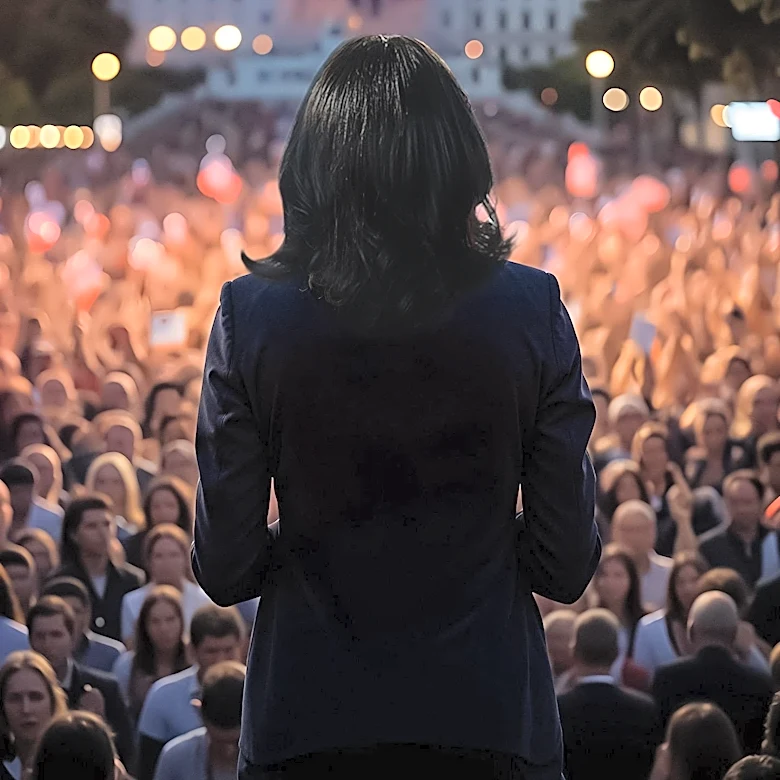
U.S. Representative Kristen McDonald Rivet, a Democrat from Bay City, Michigan, has strongly criticized the lack of condemnation from Senator Ted Cruz following an incident at a Republican midterm convention in Dallas. During Cruz's speech on September
10, an unidentified heckler repeatedly shouted that Democratic candidates Abdul El-Sayed, James Talarico, and New York Mayor Zohran Mamdani 'should be shot.' Representative Rivet labeled Cruz's silence as a 'shameful profile in cowardice,' emphasizing that political violence is a significant issue that requires leaders to actively denounce it rather than encourage it. Other Michigan Democrats, including U.S. Rep. Hillary Scholten and U.S. Rep. Debbie Dingell, also condemned the calls for violence, with Scholten stating that such normalization of hate harms political discourse. Abdul El-Sayed, one of the targeted candidates, expressed his concern on CNN, highlighting that such calls for violence are becoming normalized in U.S. politics and undermine the peaceful process of democracy.
Why It's Important?
This incident underscores the escalating tensions and the normalization of violent rhetoric within the U.S. political landscape. The failure of prominent political figures to immediately condemn calls for violence can be perceived as tacit approval, potentially emboldening individuals to engage in or advocate for further aggression. This creates a more hostile environment for political discourse and can deter individuals from participating in the democratic process, fearing for their safety. For political stakeholders, the event highlights a growing divide in how political disagreements are handled, moving away from civil debate towards confrontational and dangerous rhetoric. The criticism from Representative Rivet and other Democrats signals a demand for accountability from leaders across the political spectrum to actively de-escalate such harmful narratives, which is crucial for maintaining the integrity and safety of democratic institutions.
What's Next?
The immediate aftermath may see continued calls from Democratic leaders for Senator Cruz and other Republican figures to explicitly condemn the violent remarks made at the convention. The incident could also fuel further debate on the responsibility of political leaders to moderate the tone of their rhetoric and the behavior of their supporters. As the midterm elections approach, this event might become a talking point, with campaigns using it to highlight concerns about political extremism or to rally their bases. There could be increased scrutiny on how political rallies are managed and whether security protocols or codes of conduct need to be reinforced to prevent such outbursts. The broader conversation around political civility and the dangers of unchecked hateful speech is likely to intensify, potentially leading to calls for bipartisan efforts to address the issue of political violence.
Beyond the Headlines
Beyond the immediate political fallout, this incident touches upon deeper societal issues concerning the erosion of democratic norms and the increasing polarization in the United States. The normalization of violent language in political settings can desensitize the public to its severity, potentially lowering the threshold for actual violence. Ethically, it raises questions about the moral responsibility of public figures to safeguard civil discourse and reject any form of incitement. Legally, while the heckler's words might fall under protected speech in some contexts, the repeated nature and specific targeting of individuals could prompt discussions about the line between free speech and incitement to violence. Culturally, such events reflect a broader trend where political opponents are increasingly viewed as enemies, rather than adversaries, which undermines the foundational principles of a functioning democracy where peaceful disagreement is essential.