





What's Happening?
U.S. Representative Rick Larsen, a Washington Democrat, has introduced the EXCLAVE Act. This legislative initiative aims to improve communication between federal government agencies and exclave communities, such as Point Roberts, Washington. The introduction
of this act comes in response to concerns that federal rules impacting cross-border travel have been implemented without sufficient input from these geographically isolated communities. The EXCLAVE Act seeks to establish a more direct and effective channel for federal agencies to engage with residents and local officials in exclaves, ensuring their unique circumstances are considered in policy-making. This development is particularly relevant as members of the Whatcom County Council are scheduled to hold a Q&A session in Point Roberts, providing a direct opportunity for community feedback to local elected officials.
Why It's Important?
The EXCLAVE Act addresses a critical issue for U.S. exclave communities, which often face unique challenges due to their geographic isolation and reliance on cross-border access. These communities can be disproportionately affected by federal policies, particularly those related to border control, trade, and travel, without adequate representation or consideration in the decision-making process. The legislation highlights the need for federal agencies to recognize and adapt to the distinct needs of these areas, preventing unintended negative consequences on residents' daily lives, local economies, and access to essential services. By fostering better communication, the act could lead to more tailored and effective federal policies that support the well-being and economic stability of these often-overlooked U.S. populations.
What's Next?
The EXCLAVE Act will proceed through the legislative process, requiring consideration and potential passage by Congress. Its introduction signals a growing recognition of the specific challenges faced by U.S. exclave communities. The upcoming Q&A session in Point Roberts with Whatcom County Council members provides a platform for residents to voice their concerns directly, which could further inform the legislative efforts surrounding the EXCLAVE Act. The act's progress will likely involve discussions on how federal agencies can best implement improved communication protocols and ensure that the voices of exclave communities are heard in future policy decisions affecting cross-border activities and local governance.
Beyond the Headlines
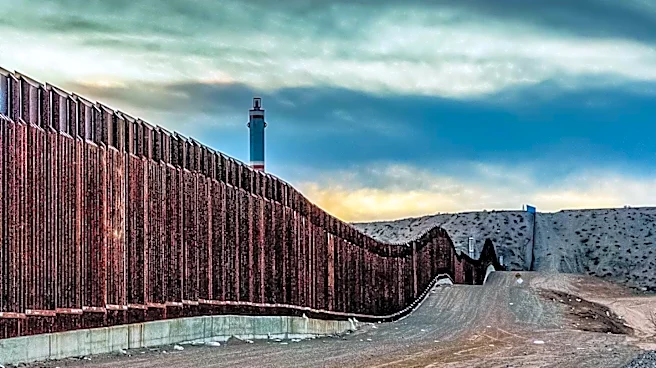
Beyond the immediate legislative implications, the EXCLAVE Act touches upon broader themes of federal governance, local autonomy, and the impact of national policies on marginalized geographic areas. It underscores the principle that effective governance requires understanding and responding to the diverse realities within a nation's borders, especially for communities with unique geopolitical circumstances. The act could set a precedent for how federal agencies engage with other distinct communities across the U.S., promoting a more inclusive and responsive approach to policy development. It also highlights the ongoing tension between national security interests and the practical needs of border communities, suggesting a path toward balancing these priorities through enhanced dialogue and collaboration.