
What's Happening?
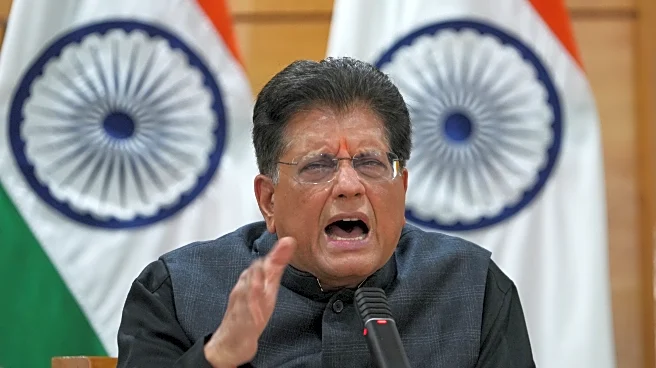
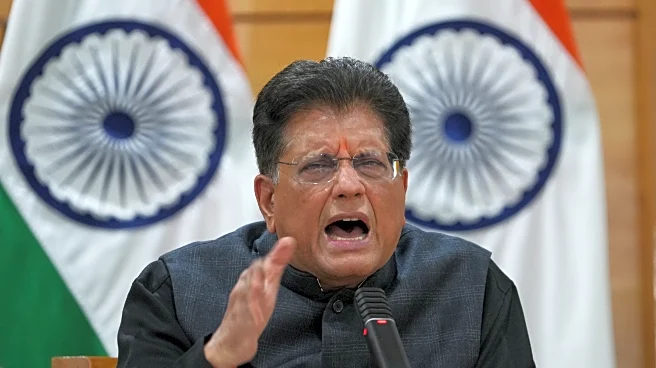
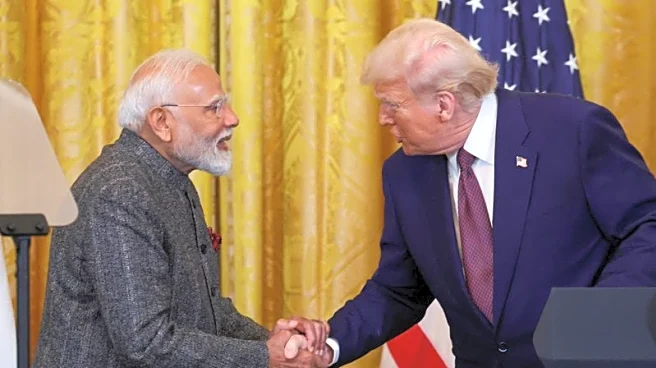
India and the United States have announced an interim trade agreement that maintains protections for India's sensitive agricultural and dairy products while opening up Indian markets to a variety of U.S. industrial and agricultural goods. The deal ensures
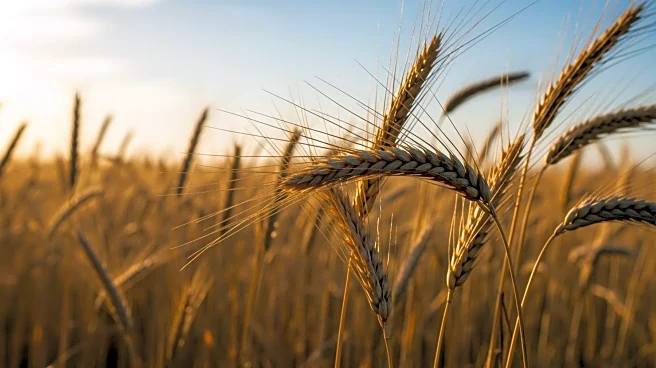
that staple grains, cereals, and dairy products, which are crucial to India's rural economy, remain shielded from import concessions. This includes products like wheat, rice, maize, and milk. Meanwhile, the agreement reduces U.S. tariffs on Indian goods from 50% to 18%, benefiting sectors such as textiles, apparel, and pharmaceuticals. The deal has sparked opposition in India, with MPs protesting and demanding parliamentary debate over concerns about the impact on farmers' livelihoods.
Why It's Important?
The trade agreement is significant as it balances the protection of India's agricultural sector with the expansion of market access for other industries. By safeguarding sensitive products, the deal aims to protect the livelihoods of millions of small and marginal farmers in India. At the same time, the reduction in U.S. tariffs on Indian goods could boost exports and strengthen economic ties between the two countries. This agreement reflects a strategic approach to trade that prioritizes domestic economic stability while fostering international commerce. The opposition's reaction highlights the ongoing debate over globalization and its impact on local economies.
What's Next?
The interim trade agreement sets the stage for further negotiations and potential adjustments in the future. Stakeholders in both countries will likely monitor the economic impacts closely, particularly in the agricultural sector. The Indian government may face continued pressure from opposition parties and farmer groups to ensure that any future agreements do not compromise domestic interests. Additionally, the U.S. may seek further concessions in other areas as part of ongoing trade discussions. The outcome of these negotiations could influence future trade policies and economic strategies in both nations.