
What's Happening?
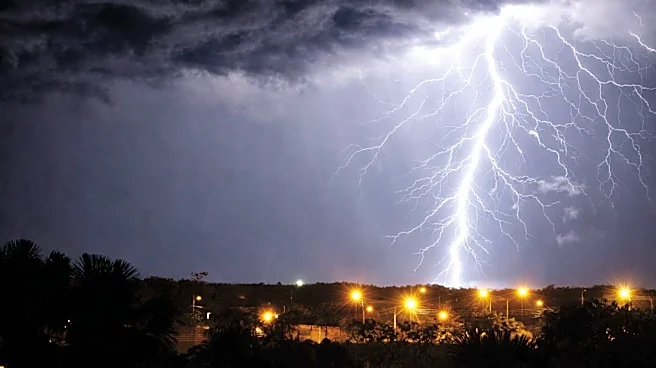
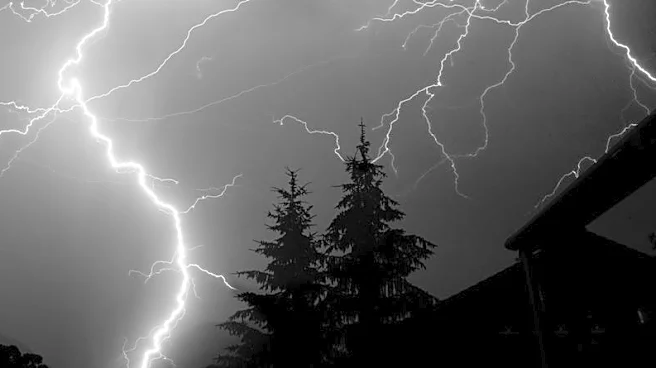
A tragic lightning strike in Margate, Florida, claimed the lives of a mother, identified as 31-year-old Kenya Glashow, and her 2-year-old daughter during a Sunday thunderstorm. Margate police and fire
rescue responded to reports of two individuals struck by lightning on a sidewalk around 2:30 p.m. First responders immediately began rendering aid, including CPR. The mother was transported to North Broward Medical Center, and the child was rushed to Broward Health Medical Center. Both were pronounced dead shortly after arriving at the hospitals. The incident remains under investigation by the Margate Police Department. An earlier report had incorrectly identified the mother's age and the child's gender, which was later corrected by CBS News Miami after confirming with detectives.
Why It's Important?
This devastating incident underscores the severe dangers posed by lightning, particularly in regions prone to thunderstorms like South Florida. It serves as a stark reminder of the importance of seeking immediate shelter during severe weather conditions. The loss of a mother and her young child highlights the unpredictable and often fatal consequences of natural phenomena, impacting families and communities profoundly. For public safety officials, such events reinforce the need for effective public awareness campaigns regarding lightning safety and the rapid deployment of emergency services. The tragedy also brings into focus the emotional toll on first responders and witnesses, such as the neighbor who attempted to provide aid. It prompts a broader discussion on how communities can better prepare for and respond to sudden and severe weather events.
What's Next?
The Margate Police Department will continue its investigation into the lightning strike, though such incidents are typically classified as accidental deaths due to natural causes. The focus will likely shift to supporting the grieving family and community. Local authorities and weather agencies may use this tragedy to reiterate public safety warnings about thunderstorms and lightning, urging residents to take precautions such as staying indoors during storms. There may also be community efforts to provide support to the family of the victims. This event could also lead to increased public discourse on the effectiveness of current weather alert systems and how to ensure that vulnerable populations are adequately informed and protected during severe weather. The incident serves as a somber reminder for everyone to prioritize safety during adverse weather conditions.
Beyond the Headlines
Beyond the immediate grief, this incident may spark deeper conversations about the psychological impact of sudden, traumatic loss on communities and the need for robust mental health support systems. The unpredictable nature of lightning strikes, even with advanced weather forecasting, highlights the limits of human control over natural forces. This tragedy could also influence local policies or public education initiatives aimed at enhancing awareness of lightning safety, particularly for parents and caregivers of young children. It underscores the broader societal challenge of living in areas susceptible to extreme weather and the continuous adaptation required to mitigate risks. The event serves as a poignant reminder of life's fragility and the importance of community solidarity in times of unexpected sorrow.