





What's Happening?
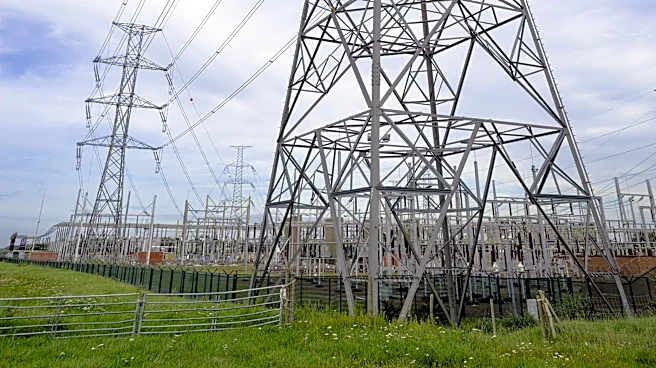
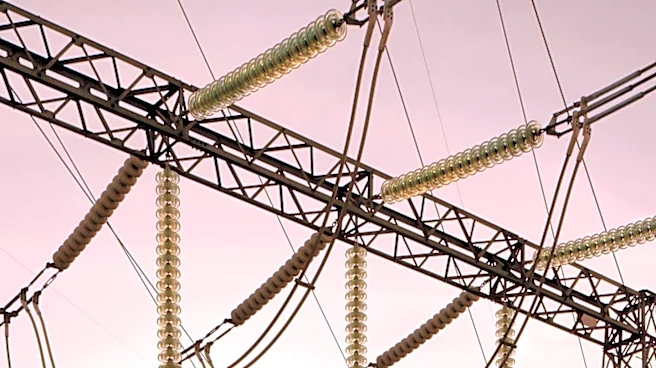
The U.S. electric grid is undergoing modernization efforts, driven by increasing electricity demand from AI data centers, electric vehicles, manufacturing expansion, and broader electrification. The Department of Energy has launched its Grid Modernization
Initiative, allocating nearly $1.9 billion to accelerate transmission upgrades, advanced conductors, and other grid technologies. Utilities across the nation are investing in transmission lines, substations, grid automation, and energy management systems to enhance capacity, reliability, and resilience. However, this progress is being hampered by several significant challenges, including aging infrastructure, shortages of transformers, equipment lead times extending up to three to four years, permitting delays, and workforce constraints. Industry experts emphasize the critical need for early planning, utility coordination, and long-term infrastructure investments to keep pace with future power demands. Additionally, California Governor Gavin Newsom has signed a legislative package addressing water, electricity, and land-use requirements for data centers, with specific measures (AB 2469 and AB 2619) requiring data centers to disclose projected water use and cover infrastructure upgrade costs.
Why It's Important?
The modernization of the U.S. electric grid is crucial for supporting the nation's growing energy needs and ensuring economic stability. The increasing demand from sectors like AI data centers and electric vehicles highlights a fundamental shift in electricity consumption patterns, requiring substantial upgrades to prevent capacity constraints and ensure reliable power delivery. Delays in grid modernization due to aging infrastructure, supply chain bottlenecks, and workforce shortages could lead to significant economic repercussions, including slower economic development and limitations on serving new commercial and residential customers. The legislative actions in California underscore a broader concern about the environmental impact of energy-intensive industries, particularly water consumption by data centers, which could influence regulatory frameworks nationwide. For HVAC contractors, these developments present both opportunities in high-performance cooling and challenges related to equipment availability and evolving sustainability requirements. The ability of the grid to adapt will directly impact the feasibility and cost of electrification efforts across various industries and consumer sectors.
What's Next?
Utilities are expected to continue exploring and implementing advanced technologies such as battery storage, distributed energy resources, advanced monitoring, and AI-driven grid management to address current and future challenges. The emphasis will be on strategic planning and coordination to overcome supply chain issues and workforce limitations. The legislative precedent set by California regarding data center resource consumption may prompt other states to consider similar regulations, potentially influencing the design and location of future large-scale energy consumers. The Department of Energy's funding initiatives will likely continue to support critical upgrades, but the pace of modernization will depend on how effectively utilities can navigate permitting processes, secure necessary equipment, and expand their skilled workforce. Long-term infrastructure investments will remain a priority to ensure the grid can meet the demands of an increasingly electrified and data-driven economy.
Beyond the Headlines
The challenges in grid modernization extend beyond technical and financial hurdles, touching upon broader societal and environmental implications. The strain on the electric grid from new technologies like AI and EVs highlights the need for a holistic approach to infrastructure planning that integrates energy, water, and land-use considerations. The focus on resilience, particularly in coastal areas, reflects the increasing impact of climate change on critical infrastructure and the necessity for proactive measures. The integration of AI in grid management, while promising for efficiency and reliability, also raises questions about cybersecurity vulnerabilities, as AI can accelerate cyberattacks. This necessitates robust security protocols to protect critical infrastructure. Furthermore, the evolving landscape of energy demand and supply could lead to significant shifts in regional economic development, favoring areas with robust and adaptable grid infrastructure. The push for sustainability and efficiency will likely drive innovation in energy management and consumption, influencing consumer behavior and industrial practices.