






What's Happening?
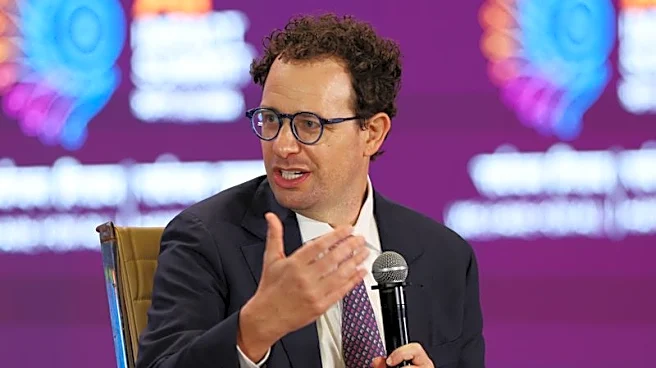
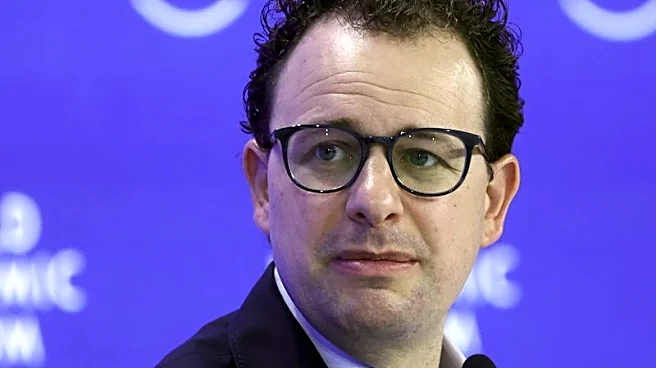
Canadian computer scientist Yoshua Bengio, renowned for his contributions to deep learning, has expressed concerns over the restricted release of Anthropic's AI model, Claude Mythos. Bengio argues that the decision to limit access to this advanced AI system
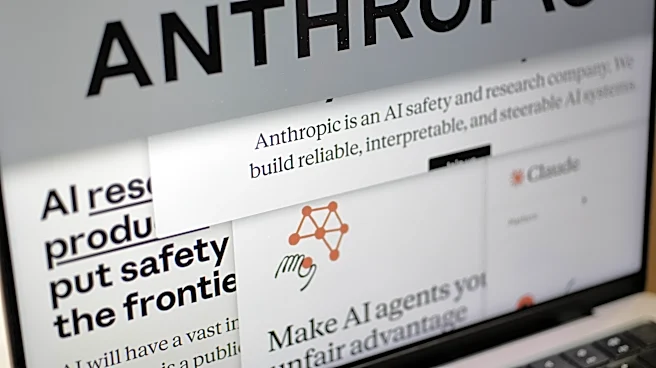
to a select group of primarily U.S.-based companies and government entities centralizes decision-making power within a single private company. This approach, he warns, could exclude significant portions of the global ecosystem from essential cybersecurity protections. Mythos, capable of identifying numerous previously unknown vulnerabilities, is being shared selectively due to its dual-use nature, which could potentially be misused for cyberattacks. Anthropic has justified this controlled release by emphasizing the need to manage risks associated with the model's capabilities. However, the move has sparked a broader debate about governance and fairness, with several governments and institutions seeking access to the model to assess vulnerabilities in their systems.
Why It's Important?
The limited release of the Mythos model raises significant concerns about global cybersecurity and the equitable distribution of technological advancements. By restricting access, Anthropic potentially leaves many international stakeholders vulnerable to cyber threats, as they are unable to evaluate and protect against the vulnerabilities identified by the model. This situation underscores the need for international cooperation and oversight in AI governance to ensure that critical technologies are not monopolized by a few entities, which could lead to geopolitical tensions and exacerbate existing inequalities. Bengio's call for an international authority to regulate AI highlights the urgency of establishing frameworks that prevent misuse and ensure that technological benefits are shared globally. The debate also reflects broader concerns about technological sovereignty and the risks of dependency on foreign technology providers.
What's Next?
The ongoing discussions around the Mythos model are likely to influence future policies on AI governance and international cooperation. As more governments and institutions push for access to the model, there may be increased pressure on Anthropic to expand its distribution. Additionally, the U.S. government's interest in utilizing Mythos for federal departments suggests that domestic policies may evolve to incorporate advanced AI systems more comprehensively. The debate could also lead to the establishment of new international regulatory bodies or agreements aimed at ensuring fair access to critical technologies. Furthermore, the inclusion of major AI players like China in global governance frameworks could become a focal point, as countries seek to balance technological advancement with security and ethical considerations.
Beyond the Headlines
The controversy surrounding the Mythos model highlights deeper issues related to the concentration of power in the tech industry and the ethical implications of AI deployment. As AI systems become more sophisticated, the decisions about their use and accessibility have far-reaching consequences for global infrastructure and security. The situation underscores the need for transparent and inclusive decision-making processes that consider the interests of diverse stakeholders. Additionally, the debate raises questions about the role of private companies in shaping public policy and the potential conflicts of interest that may arise when commercial interests intersect with national security concerns. These discussions are likely to shape the future landscape of AI development and regulation, influencing how societies navigate the challenges and opportunities presented by emerging technologies.