



What's Happening?
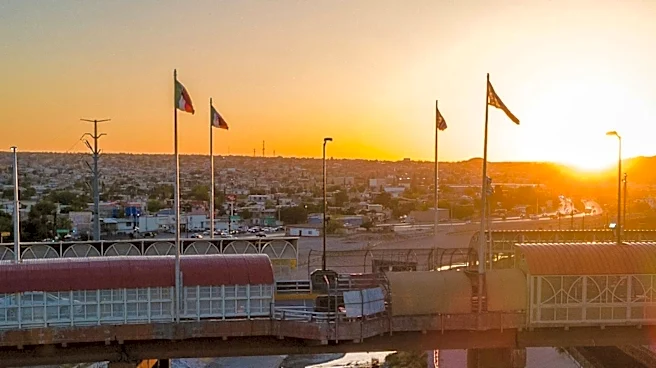
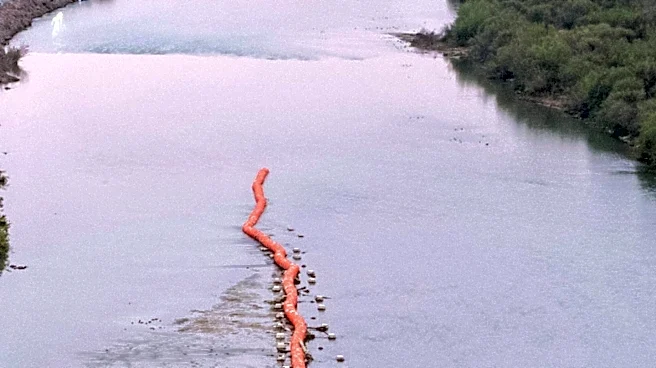
Congressman Henry Cuellar has raised concerns over the temporary closure of the World Trade Bridge in Laredo, Texas, which has been shut down due to flooding. The flooding caused federal buoys anchored in the Rio Grande to break free and drift downstream,
leading to the bridge's closure to ensure public safety. This incident has resulted in significant economic losses for businesses in Laredo, as the bridge is a critical point for trade with Mexico. Cuellar emphasized the need for better coordination among local, state, and federal agencies to prevent such disruptions in the future. His office is actively working with these agencies to recover the buoys and restore normal operations.
Why It's Important?
The closure of the World Trade Bridge highlights the vulnerability of critical infrastructure to natural disasters and the economic repercussions that can follow. Laredo is a major hub for trade between the United States and Mexico, and disruptions at this crossing can have widespread economic impacts, affecting supply chains and businesses reliant on cross-border trade. The incident underscores the importance of robust infrastructure planning and disaster preparedness to mitigate economic losses. It also raises questions about the effectiveness of current measures in place to secure infrastructure against natural events, prompting a reevaluation of strategies to protect trade routes.
What's Next?
Efforts are underway to recover the dislodged buoys and reopen the World Trade Bridge. Congressman Cuellar is coordinating with various agencies to expedite this process. There may be discussions on improving infrastructure resilience and enhancing coordination among agencies to prevent future incidents. Stakeholders, including local businesses and trade organizations, are likely to advocate for measures that ensure the reliability of trade routes. The incident may also prompt a review of the contracts and responsibilities of those involved in maintaining the buoys, with potential repercussions for contractors who failed to act on warnings about rising floodwaters.