






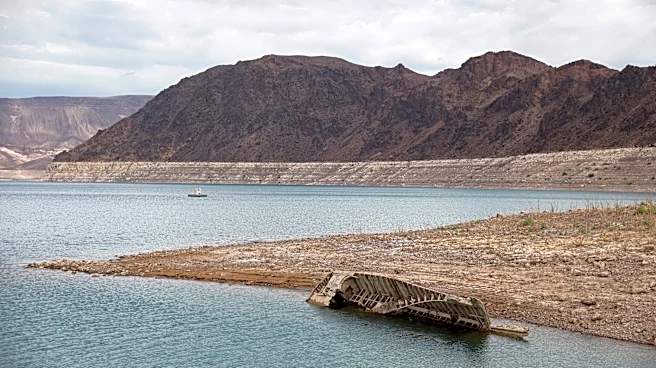
What's Happening?
The U.S. Bureau of Reclamation has released a 10-year framework for managing the Colorado River, but it lacks a specific long-term plan, leaving states in the basin uncertain about future water allocations. The framework includes potential cuts of up
to 40% for lower basin states like California, Arizona, and Nevada, while upper basin states face no mandatory cuts. This comes as key agreements for river management are set to expire at the end of the year, with no consensus reached among the states. The lack of a durable plan complicates water management for millions of people and agricultural operations dependent on the river.
Why It's Important?
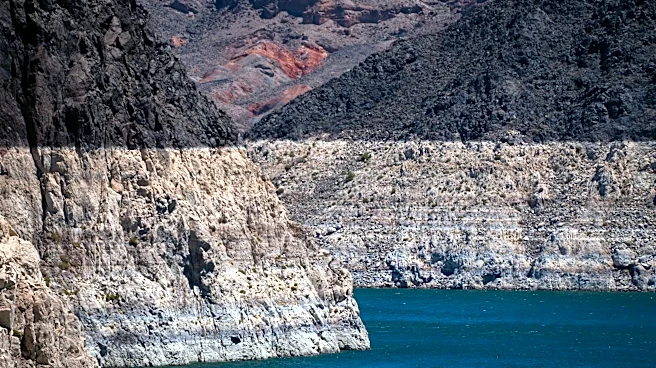
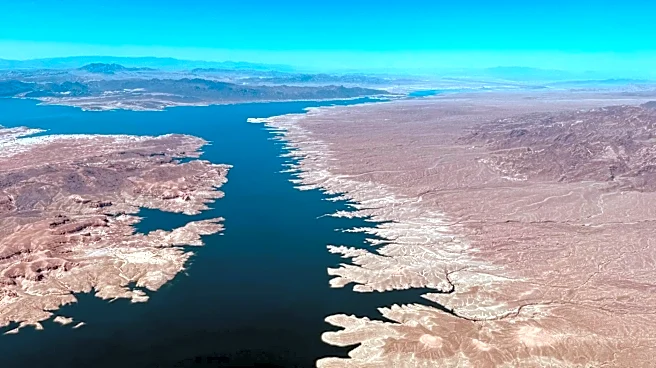
The Colorado River is a critical water source for 40 million people and vast agricultural areas across multiple states. The uncertainty surrounding water allocations poses significant challenges for planning and infrastructure development, potentially impacting water availability and economic stability in the region. The situation underscores the need for collaborative solutions and long-term planning to address the ongoing water crisis exacerbated by climate change and prolonged drought conditions.
What's Next?
The federal government plans to release more detailed management plans every two years if states remain at an impasse. This piecemeal approach may hinder long-term planning efforts for water suppliers and agricultural stakeholders. Ongoing negotiations among states and federal agencies will be crucial in determining future water allocations and addressing the environmental impacts of reduced water availability.