





What's Happening?
Ogilvie Station, originally known as Chicago and North Western Terminal, has evolved from a long-haul passenger hub to a critical component of Chicago's Metra commuter network. Opened in 1911, the station was designed by Frost & Granger and featured a large
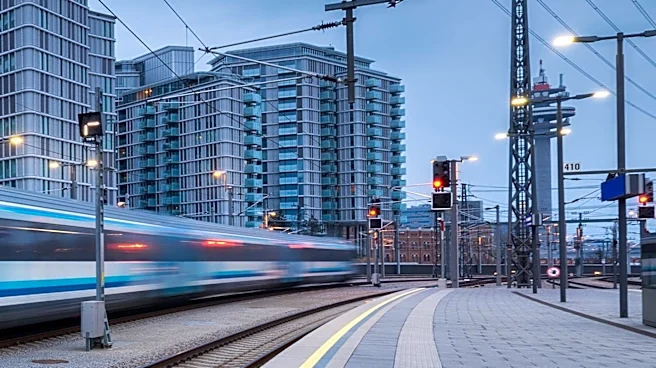
train shed and Beaux-Arts façade. After a period of decline in private rail travel during the mid-20th century, the station faced potential demolition. However, preservationists and civic leaders intervened, leading to a major renovation in the 1980s. In 1991, it was renamed Ogilvie Station in honor of former Illinois Governor Richard B. Ogilvie, who was instrumental in its preservation. Today, it serves as the downtown terminus for Union Pacific Northwest Line trains, handling tens of thousands of commuters daily. The station's operational design facilitates high-volume commuter traffic with elevated platforms, ticket vending machines, waiting areas, and seamless transfers to CTA Blue Line trains, integrating it into Chicago's multi-modal transportation strategy.
Why It's Important?
Ogilvie Station's transformation highlights the successful adaptive reuse of historic infrastructure in major U.S. cities. Its preservation and modernization demonstrate a commitment to maintaining architectural heritage while meeting contemporary urban transportation demands. As a vital link in Chicago's Metra commuter network, the station significantly impacts the daily lives of thousands of residents by connecting sprawling suburbs to the city's core business districts. This integration supports economic activity in downtown Chicago by facilitating workforce mobility. The station's multi-modal approach, with its direct connection to CTA Blue Line trains, exemplifies effective urban planning that reduces reliance on single modes of transport, potentially easing traffic congestion and promoting public transit use. The station serves as a model for how historic buildings can be repurposed to serve modern needs, contributing to both cultural preservation and urban development.
What's Next?
Ogilvie Station is expected to continue evolving to meet the demands of Chicago's growing metropolitan area. Discussions are ongoing regarding potential expansions and upgrades to accommodate increasing passenger volumes. These future developments will likely involve a delicate balance between modernization efforts and the preservation of the station's historic character, navigating complex historical regulations and community expectations. Station managers will focus on ensuring the facility remains efficient, safe, and welcoming for commuters while respecting its status as a protected historic landmark. The station's role in Chicago's transportation infrastructure is anticipated to remain central, with continuous efforts to enhance its operational capabilities and passenger experience, further solidifying its position as a key transit hub in the city.
Beyond the Headlines
Ogilvie Station's journey from a grand railway terminal to a modern commuter hub reflects broader shifts in American urban development and transportation priorities. The initial decline of long-haul passenger rail and the subsequent rise of commuter services illustrate changing travel patterns and the increasing importance of regional connectivity. The successful preservation of Ogilvie Station against the threat of demolition underscores a growing appreciation for historical architecture and the value of integrating the past into the present urban fabric. This case also highlights the power of civic leadership and community advocacy in shaping urban landscapes. The station's continued functionality as a high-volume commuter terminal, while retaining its early 20th-century design elements, serves as a testament to the enduring legacy of rail transportation in the U.S. and its capacity for reinvention in response to societal needs.