


What's Happening?
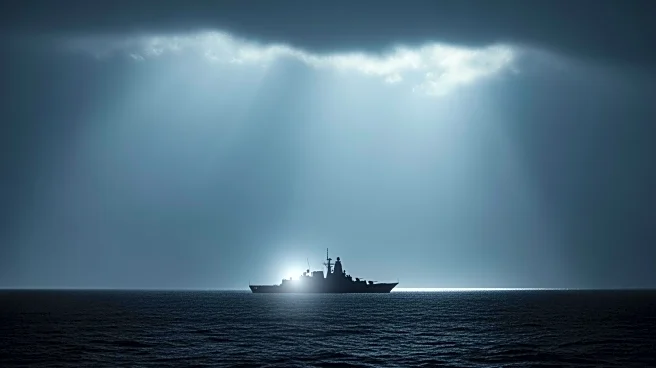
During World War II, the U.S. faced significant threats from Axis powers, including sabotage fears after the SS Normandie caught fire in New York Harbor. Naval Intelligence suspected sabotage due to the high number of American merchant ships sunk by German
U-boats. Commander Charles Haffenden of the Office of Naval Intelligence sought assistance from Charles Lucky Luciano, a mafia boss serving a lengthy prison sentence, to investigate and protect the waterfront. Luciano's influence over dock workers was seen as crucial in gathering information and ensuring cooperation, highlighting the unusual collaboration between organized crime and military intelligence during wartime.
Why It's Important?
The collaboration between the U.S. military and organized crime during WWII underscores the complexities of wartime strategies and alliances. Luciano's involvement highlights how unconventional methods were sometimes necessary to address security threats. This partnership reflects the broader challenges faced by the U.S. in securing its ports and maintaining supply lines during the war. The incident also illustrates the extent to which the U.S. was willing to go to protect its interests, even if it meant engaging with criminal elements. This historical episode provides insight into the multifaceted nature of wartime intelligence operations and the lengths to which nations will go to ensure national security.
What's Next?
While the collaboration with Luciano was specific to the wartime context, it raises questions about the potential for similar alliances in future conflicts. The precedent set by this partnership may influence how intelligence agencies approach unconventional threats, considering alliances with non-traditional actors. As security challenges evolve, the lessons learned from WWII may inform strategies for dealing with complex threats, including cyber warfare and terrorism. The historical example of Luciano's involvement may serve as a case study in military and intelligence training, emphasizing the importance of adaptability and resourcefulness in crisis situations.
Beyond the Headlines
The involvement of organized crime in military operations during WWII also raises ethical questions about the balance between security and legality. Engaging with criminal elements can lead to unintended consequences, such as legitimizing their activities or creating dependencies. This historical case prompts reflection on the ethical considerations of wartime decision-making and the potential long-term impacts of such alliances. It also highlights the cultural and societal implications of relying on figures like Luciano, who were both feared and respected, and how their legacy continues to influence perceptions of crime and justice.