






What's Happening?
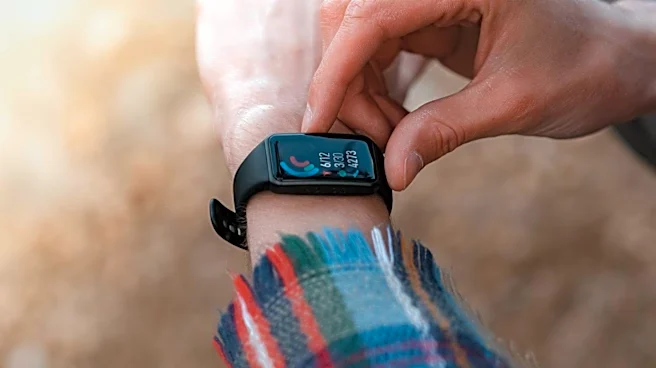
A new study from the University of Mississippi, published in Frontiers in Physiology, indicates that individuals who utilize digital health tools, such as fitness trackers and health apps, are more likely to meet federal physical activity guidelines.
The research analyzed data from over 5,000 U.S. adults from the 2024 Health Information National Trends Survey. It found that approximately one in three people who used a variety of health tools, including wearable fitness trackers and patient portals, met both aerobic and muscle-strengthening activity guidelines. This was also true for those who primarily used wearable activity trackers. In contrast, only about one in five individuals who mainly used patient portals or had limited engagement with digital health tools met both guidelines. The study accounted for factors like age, income, and education, concluding that users of these tools were more likely to achieve recommended activity levels. However, the study does not establish a causal link, acknowledging that already active individuals might be more inclined to use such technologies.
Why It's Important?
This study highlights a significant correlation between digital health engagement and adherence to physical activity recommendations, which are crucial for reducing chronic disease risk. With less than a quarter of the U.S. population meeting weekly physical activity targets, understanding factors that encourage activity is vital for public health initiatives. The findings suggest that digital health tools could play a role in promoting healthier lifestyles, potentially informing how fitness trainers and healthcare providers tailor guidance. However, the study also raises a public health concern: individuals who use the fewest digital health tools, often older adults and those with lower incomes, are also the least likely to meet physical activity guidelines. This implies that an over-reliance on technology for health promotion could inadvertently exclude vulnerable populations who might benefit most from additional support, creating a potential health equity gap.
What's Next?
The researchers emphasize that the next crucial step is to understand the causal relationship between digital health tool usage and physical activity levels. Future research will aim to determine if these tools actively make people more active or if they are simply adopted by those already predisposed to physical activity. This understanding could lead to more effective public health interventions and personalized health programs. Additionally, the findings suggest a need for inclusive strategies in health promotion. If digital tools are to be widely adopted, efforts must be made to ensure accessibility and engagement across all demographic groups, particularly older adults and lower-income individuals, to prevent widening health disparities. Healthcare providers and fitness professionals may begin to integrate these findings into their patient and client recommendations, potentially encouraging the use of fitness trackers and health apps while also addressing the needs of those less engaged with technology.
Beyond the Headlines
The study's implications extend beyond mere correlation, touching upon broader societal trends in health and technology. It underscores the growing integration of digital solutions into personal health management and raises questions about digital literacy and access as determinants of health outcomes. The potential for a 'digital divide' in health is a critical ethical consideration; if health promotion increasingly relies on technology, those without access or familiarity could be left behind, exacerbating existing health inequalities. Furthermore, the study prompts a deeper look into the psychological aspects of fitness tracking—whether the gamification of activity, data visualization, or social sharing features genuinely motivate behavioral change. Understanding these underlying mechanisms is essential for designing interventions that are not only effective but also equitable and sustainable in fostering long-term healthy habits across diverse populations.