




What's Happening?
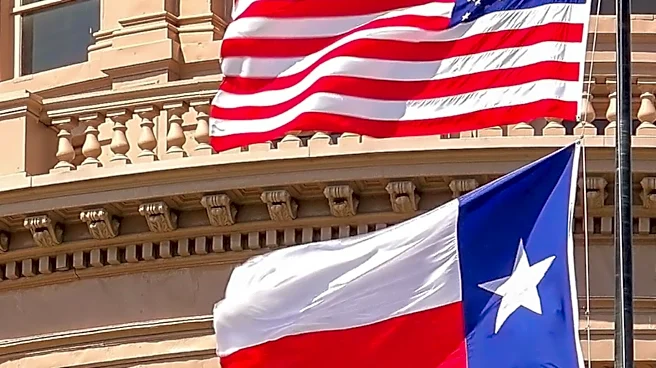
El Paso County and Harris County in Texas, along with communities in Tennessee and Ohio, have filed a lawsuit against the Department of Homeland Security (DHS). The lawsuit challenges new requirements tied to the federal Homeland Security Grant Program.
In June, the Federal Emergency Management Agency (FEMA) announced it would withhold 20% of these grant funds unless recipients complied with five new conditions related to election administration. These conditions include a mandatory transition from voting machines that use QR and bar codes to those that accept paper ballots, conducting manual ballot audits, and running voter registration through DHS’s Systematic Alien Verification for Entitlements (SAVE) system. The plaintiffs argue that implementing these requirements would be costly, undermine election security, and potentially cause them to violate state laws, such as Harris County's requirement to count regular ballots within 24 hours of polls closing if they switch to paper ballots. Nationally, approximately $200 million in grant funds are at stake due to these new conditions.
Why It's Important?
This lawsuit highlights a significant conflict between federal and local authorities regarding election administration and funding. The Homeland Security Grant Program has historically provided critical funds for cities and counties to prepare for and respond to terrorist attacks and other security threats. The counties argue that withholding these funds could jeopardize public safety by limiting their ability to purchase essential equipment and specialized training. The use of the SAVE system is particularly contentious, as it has been flagged for misidentifying voters as noncitizens, a concern amplified by the Trump administration's push for its use amid unverified claims of widespread noncitizen voting. This dispute underscores the broader debate over election integrity, federal overreach, and the financial burden placed on local governments to comply with new, unfunded mandates. The outcome of this lawsuit could set a precedent for how federal grants can be conditioned and impact the operational autonomy of local election officials across the U.S.
What's Next?
The lawsuit has been filed in federal district court in the District of Columbia, and a similar suit was previously filed by a coalition of Democratic states in July. The courts will now need to determine whether DHS has the authority to condition grant funds on changes to local election procedures without congressional approval. FEMA has stated that these measures are necessary to protect election security and safeguard American democracy, anticipating opposition to what it considers common-sense requirements. Local election officials will be closely watching the legal proceedings, as the resolution will dictate whether they must implement the new federal requirements to receive crucial security funding or if the federal government will be compelled to release the funds without these conditions. The ongoing legal battle will likely continue to fuel discussions about federalism, election oversight, and the balance of power between different levels of government.
Beyond the Headlines
This legal challenge delves into the deeper implications of federal funding mechanisms being used as leverage to influence state and local policies. It raises questions about the appropriate scope of federal intervention in areas traditionally managed at the state and local levels, particularly election administration. The controversy also touches upon the politicization of election security, where measures ostensibly aimed at safeguarding democracy are viewed by some as attempts to suppress votes or impose partisan agendas. The reliance on the SAVE system, despite its known inaccuracies, highlights the tension between perceived security needs and the potential for disenfranchisement. Furthermore, the case underscores the financial vulnerabilities of local governments, which often depend on federal grants for essential services, making them susceptible to policy changes tied to these funds. The outcome could influence future federal-state relations and the integrity of the electoral process.