



What's Happening?
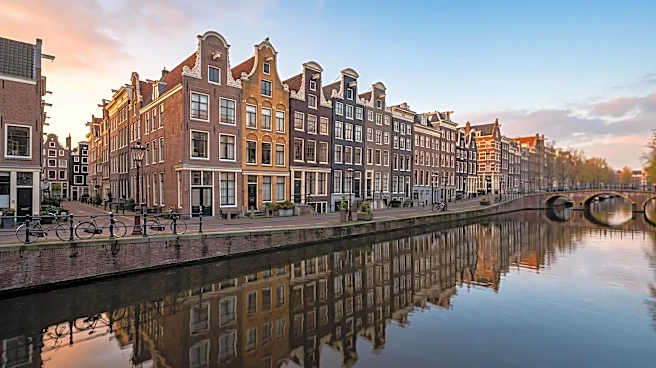
Amsterdam is set to incrementally increase its municipal overnight tourist tax, aiming to reach nearly the highest rate globally by 2031. Currently at 12.5%, the tax will rise to 16% of the hotel room price in 2027, and then by one percentage point annually,
peaking at 20% in 2031. This initiative, part of a new coalition agreement by PRO Amsterdam and D66, seeks to curb overtourism, address budget deficits, and alleviate the financial burden on local residents. Concurrently, the Dutch central government has increased the nationwide VAT on hotel stays from 9% to 21%. When combined, the total tax burden on an average €200-a-night hotel room in Amsterdam will reach 41% by 2031, meaning visitors will pay over €80 in taxes alone. The city consistently exceeds its self-imposed cap of 20 million overnight stays per year, and this tax hike is designed to deter low-budget mass tourism.
Why It's Important?
This aggressive tax strategy by Amsterdam highlights a growing global trend among popular tourist destinations to manage the negative impacts of overtourism. For the U.S. tourism industry, particularly those involved in international travel, this could signal a shift in destination appeal and pricing strategies. American travelers planning trips to Amsterdam will face significantly higher costs, potentially leading some to choose alternative European destinations with lower tax burdens. This move also underscores the increasing willingness of local governments to prioritize resident quality of life and environmental sustainability over unchecked tourism growth. The expected additional €75 million in annual revenue by 2030 will be used to balance the municipal budget, reduce local tax hikes for residents, and fund social programs, such as free public transit for children. This could serve as a model for other U.S. cities grappling with similar issues, prompting discussions on how to balance tourism revenue with local community well-being and infrastructure strain.
What's Next?
The incremental increase in Amsterdam's tourist tax will continue over the next several years, reaching its peak in 2031. The PRO-D66 coalition agreement also includes broader measures beyond hotel taxes, such as forcing the Passenger Terminal Amsterdam (PTA) to relocate, effectively banning sea cruise ships from docking near the city center. The entertainment levy, which targets day-recreation visitors, will be expanded, and new licensing laws will freeze the expansion of tourist-centric shops in the historic core. These actions indicate a sustained effort to reshape Amsterdam's tourism landscape, moving away from mass tourism towards a more sustainable and higher-value model. Other European cities facing similar overtourism challenges will likely monitor Amsterdam's success, potentially adopting similar policies. U.S. travel agencies and tour operators specializing in European travel will need to adjust their offerings and pricing to reflect these changes, and travelers will need to factor in the increased costs when planning their trips.
Beyond the Headlines
The implementation of such a high tourist tax in Amsterdam reflects a deeper societal and environmental concern regarding the sustainability of mass tourism. Beyond the immediate financial implications, this policy aims to recalibrate the relationship between a city and its visitors, emphasizing that tourism should contribute positively to the local community rather than solely benefiting external businesses or overwhelming local resources. This move could spark a broader ethical debate within the global tourism industry about the responsibilities of travelers and the true cost of travel. It also highlights the tension between economic benefits derived from tourism and the preservation of local culture, infrastructure, and resident quality of life. The long-term success of Amsterdam's strategy could influence urban planning and tourism policies worldwide, encouraging other cities to adopt more stringent measures to manage visitor flows and ensure that tourism remains a sustainable and mutually beneficial activity.