







What's Happening?
The anti-vaccine movement in the U.S. is gaining momentum through legal challenges that argue vaccine mandates without religious exemptions violate First Amendment rights. Prominent groups like Children's Health Defense and Informed Consent Action Network
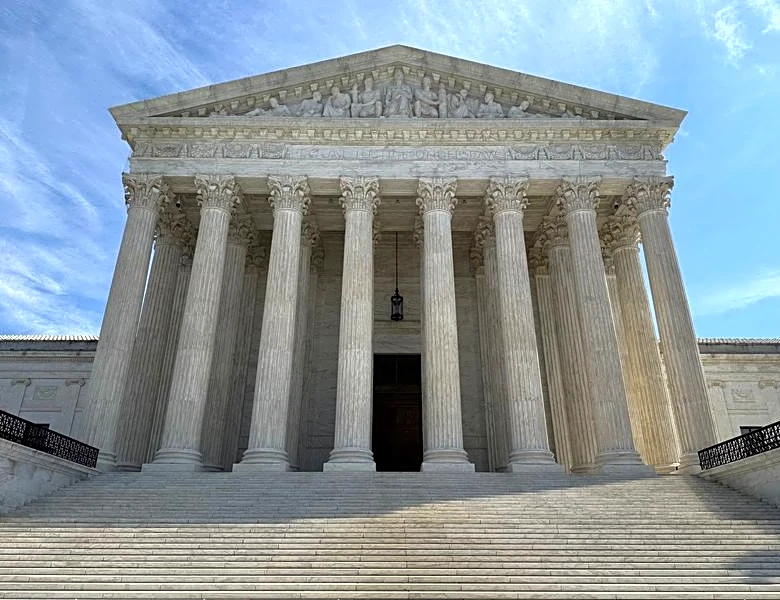
have invested heavily in legal battles, spending nearly $50 million since 2016. These efforts focus on challenging state mandates and advocating for religious exemptions. The Supreme Court has shown interest in cases that could reshape the legal landscape for vaccine mandates, potentially leading to broader exemptions. This legal strategy comes amid declining vaccination rates and increased public health risks.
Why It's Important?
The potential for the Supreme Court to rule in favor of religious exemptions for vaccine mandates could have profound implications for public health in the U.S. Such a decision might lead to further declines in vaccination rates, increasing the risk of outbreaks of preventable diseases. This legal shift could undermine efforts to maintain herd immunity and protect vulnerable populations. The debate over vaccine mandates and religious freedoms reflects broader societal tensions around individual rights and public health responsibilities. A ruling in favor of exemptions could set a precedent that affects other public health policies and regulations.
What's Next?
As these legal cases progress, stakeholders in public health, education, and government will need to prepare for potential changes in vaccine mandate policies. If the Supreme Court rules in favor of religious exemptions, states may need to revise their public health strategies to mitigate the impact on vaccination rates. This could involve increased public education efforts, targeted outreach to communities with low vaccination rates, and collaboration with religious leaders to promote vaccine acceptance. The outcome of these cases will likely influence future legal and policy debates on public health and individual rights.