


What's Happening?
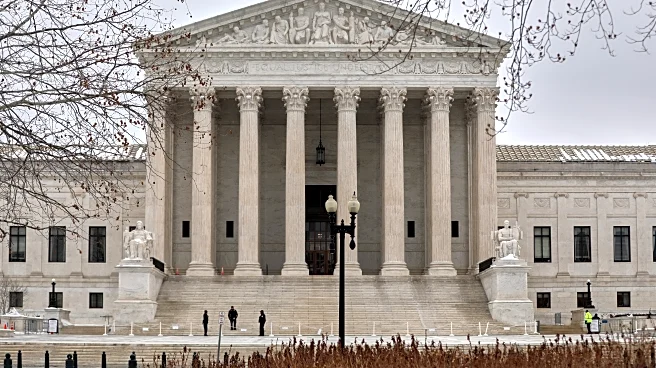
The U.S. Supreme Court has ruled against President Trump's use of the International Emergency Economic Powers Act (IEEPA) to impose global tariffs, stating that the president overstepped his authority. Despite this setback, President Trump announced plans
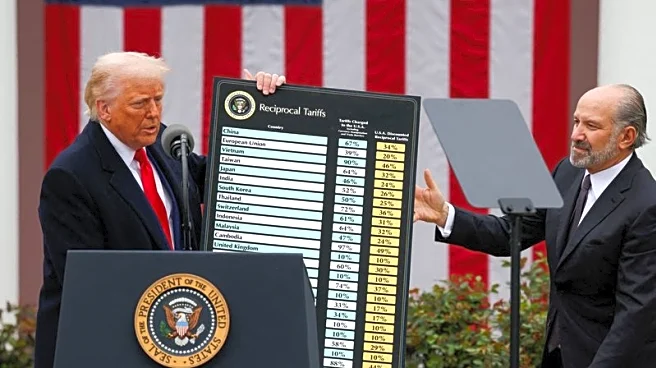
to utilize other federal statutes to continue imposing tariffs. These include Section 122 of the Trade Act of 1974, which allows for a global 10% tariff, and Section 301, which targets unfair trade practices. The ruling challenges Trump's previous claims of broad authority under the IEEPA, but he remains determined to pursue aggressive tariff policies using alternative legal avenues.
Why It's Important?
The Supreme Court's decision is significant as it curtails the executive branch's power to unilaterally impose tariffs, a tool that has been central to President Trump's trade strategy. This ruling could stabilize international trade relations and reduce tensions with U.S. allies affected by the tariffs. However, Trump's intention to use other statutes to impose tariffs suggests that trade conflicts may persist. The decision also highlights the ongoing debate over the balance of power between Congress and the presidency in trade policy, potentially influencing future legislative and executive actions.
What's Next?
Following the ruling, President Trump plans to leverage other legal mechanisms to continue his tariff strategy. This includes potential investigations under Section 301, which could lead to new tariffs, particularly targeting countries with perceived unfair trade practices. The administration's approach may face scrutiny and resistance from both domestic and international stakeholders. Additionally, Congress may consider legislative measures to further define and limit presidential authority in trade matters, potentially leading to new policy debates and legal challenges.