

What's Happening?
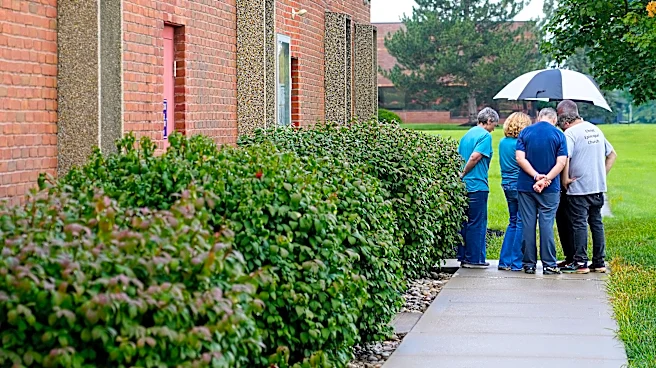
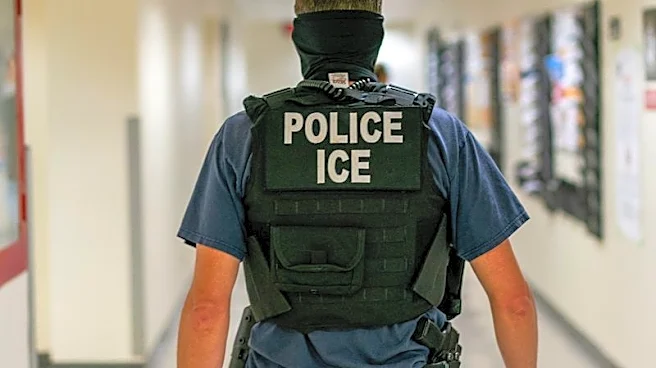
U.S. Immigration and Customs Enforcement (ICE) agents conducted an arrest in the parking lot of a La Familia Health clinic in Santa Fe, New Mexico. This incident occurred after agents reportedly followed a parent and child from their home. This action
marks one of the first known immigration arrests at a healthcare facility in Santa Fe and reflects a broader shift in federal policy under President Trump's administration. Previously, the Department of Homeland Security maintained a long-standing policy that generally prevented immigration arrests in sensitive locations such as healthcare facilities, schools, places of worship, colleges, universities, and social services organizations. The reversal of this policy has led to an increased ICE presence in hospitals, doctor's offices, and clinics nationwide during President Trump's second term, according to the National Immigration Law Center.
Why It's Important?
The shift in ICE policy allowing arrests at sensitive locations, including healthcare facilities, carries significant implications for public health and community trust. Healthcare providers across the country have reported an increased ICE presence, which can deter individuals, particularly undocumented immigrants, from seeking necessary medical care. This reluctance to access healthcare services, driven by fear of arrest, poses a public health risk, as it could lead to delayed treatment for serious conditions and the potential spread of communicable diseases. U.S. Rep. Teresa Leger Fernández, a New Mexico Democrat, has criticized President Trump's immigration policy, describing it as based on 'corruption' and 'cruelty,' and has raised concerns about the lack of transparency and access to detained immigrants. The incident in Santa Fe highlights the direct impact of this policy change on local communities and the potential for it to undermine public health initiatives.
What's Next?
The incident in Santa Fe is likely to intensify the ongoing debate surrounding immigration enforcement policies and their impact on vulnerable communities. Advocacy groups and healthcare organizations are expected to continue to voice concerns and potentially challenge these practices. Lawmakers like U.S. Rep. Teresa Leger Fernández may push for legislative action or increased oversight to reinstate protections for sensitive locations. The long-term consequences could include a further erosion of trust between immigrant communities and public institutions, including healthcare providers, making it more challenging to address public health crises or ensure equitable access to essential services. The situation may also prompt local and state governments to explore ways to protect their residents from federal immigration enforcement in sensitive areas, potentially leading to legal clashes over jurisdiction and authority.
Beyond the Headlines
The policy reversal regarding arrests in sensitive locations extends beyond immediate public health concerns, touching upon fundamental ethical and humanitarian considerations. The historical precedent of avoiding enforcement in such places was rooted in the understanding that certain institutions serve universal human needs and should be sanctuaries, fostering an environment where individuals can seek help without fear. The current approach risks creating a chilling effect, where the pursuit of immigration enforcement overrides the imperative to protect public health and safety for all residents. This could lead to a two-tiered system of healthcare access, where fear dictates who receives care, potentially exacerbating health disparities and undermining the ethical principles of medical practice. The broader societal implication is a potential shift in the perception of these institutions, from places of refuge to potential sites of apprehension, which could have lasting effects on community cohesion and trust in government.