








What's Happening?
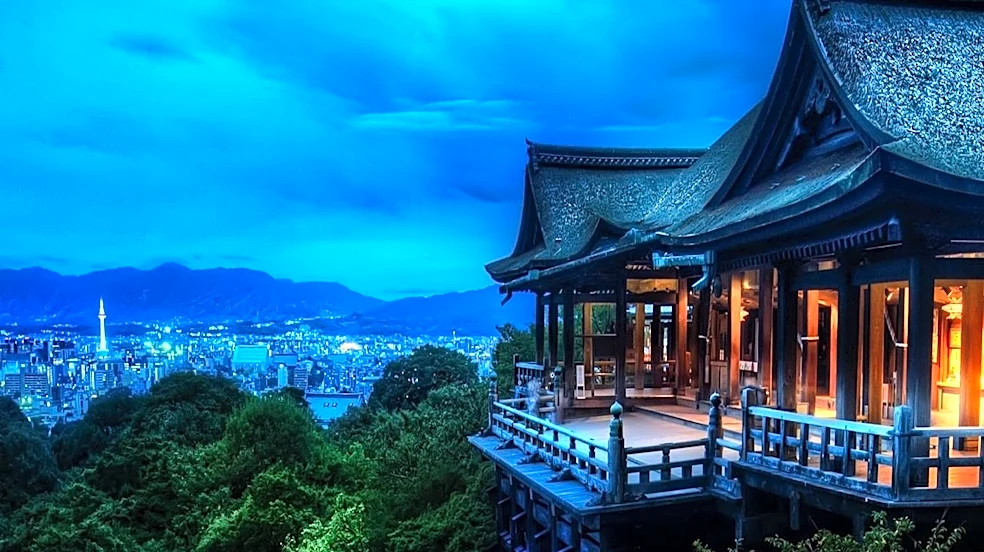
Kyoto, the former capital of Japan, is a city rich in history and culture, located approximately 470 kilometers west of Tokyo and 45 kilometers northeast of Osaka. The city is well-served by Kyoto Station, a major railway hub, making it easily accessible
from various parts of Japan. Kyoto is renowned for its ancient Buddhist temples, idyllic gardens, Shinto shrines, and traditional wooden townhouses. Unlike the bustling pace of cities like Shinjuku, Kyoto is described as less chaotic and easier to navigate, offering a unique blend of historical significance and modern urban life. Visitors can explore a multitude of cultural landmarks, including temples, shrines, gardens, and palaces, alongside vibrant dining and shopping scenes. The city's appeal extends beyond its famous landmarks, encouraging travelers to explore quieter streets, local markets, tea shops, and artisan workshops to experience the integration of traditional practices into contemporary Japanese culture.
Why It's Important?
Kyoto's preservation of its historical and cultural heritage offers a significant insight into Japan's past and its enduring traditions. The city serves as a living museum, showcasing centuries of Japanese art, architecture, spirituality, and craftsmanship. Its distinct character, contrasting with the rapid modernization seen in other major Japanese cities, highlights the importance of cultural preservation in a globalized world. For tourists, Kyoto provides an immersive experience into traditional Japanese life, fostering a deeper understanding of the country's customs and values. The city's focus on seasonal beauty, from cherry blossoms in spring to autumn foliage, also underscores the Japanese appreciation for nature and its cycles. Economically, Kyoto's tourism sector is vital, attracting millions of visitors annually and supporting local businesses, from traditional inns to craft shops and restaurants specializing in regional cuisine.
What's Next?
Visitors planning a trip to Kyoto can anticipate a range of experiences depending on their interests and the time of year. Spring and autumn are popular for cherry blossoms and colorful foliage, though these periods can be crowded. Summer offers lush greenery and traditional festivals like Gion Matsuri, while winter provides a quieter atmosphere. Travelers are advised to plan their itineraries thoughtfully, grouping nearby attractions and considering early morning visits to popular sites to avoid crowds. Accommodation options range from high-end hotels to traditional guesthouses, with locations near Kyoto Station offering convenience for transport and day trips. The city's extensive public transportation network, including trains, buses, and subways, makes it easy to explore without a car. Future developments will likely continue to balance the preservation of Kyoto's historical sites with the needs of modern tourism, ensuring its cultural legacy remains accessible and protected.
Beyond the Headlines
Kyoto's emphasis on traditional practices and spiritual sites offers a profound counterpoint to the fast-paced, technology-driven image often associated with modern Japan. The city's commitment to preserving its ancient temples, shrines, and gardens reflects a deep cultural value placed on heritage and continuity. This dedication extends to its culinary traditions, such as Kaiseki dining and the vibrant Nishiki Market, which provide a window into Japan's gastronomic history. The concept of 'ichi-go ichi-e' in tea culture, emphasizing the uniqueness of each encounter, highlights a philosophical approach to life that encourages mindfulness and appreciation. Kyoto's ability to maintain its distinct identity while welcoming global visitors underscores the ongoing dialogue between tradition and modernity, offering lessons in sustainable cultural tourism and the importance of respecting local customs and environments.