
What's Happening?
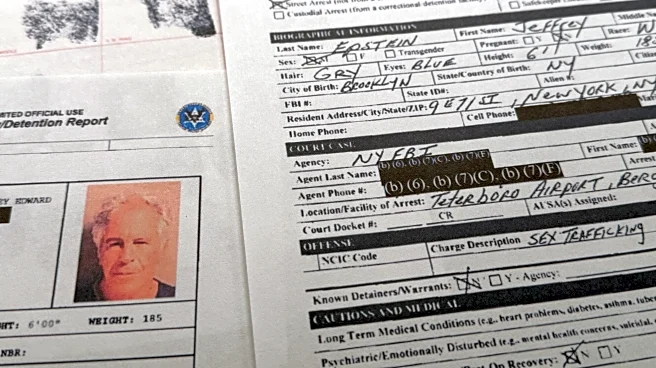
Sharlene Rochard, a survivor of Jeffrey Epstein's abuse, has criticized the Justice Department's partial release of Epstein files, calling the extensive redactions 'unacceptable.' The DOJ had promised
to release several hundred thousand documents, but only a fraction has been made public. The release is part of the Epstein Files Transparency Act, which mandates the disclosure of all files related to Epstein. The DOJ has stated that the redactions are necessary to protect survivor identities and comply with legal requirements.
Why It's Important?
The criticism from survivors like Rochard highlights the challenges in balancing transparency with the protection of sensitive information. The redactions have raised concerns about the effectiveness of the transparency act in providing justice and closure for Epstein's victims. The release of these documents is crucial for understanding the scope of Epstein's activities and the involvement of potential co-conspirators. The ongoing scrutiny of the DOJ's handling of the release may impact public perception and legal proceedings.
What's Next?
The DOJ will continue to release documents as they are reviewed, potentially leading to new revelations about Epstein's associates. Survivors and advocacy groups may push for further transparency and accountability, influencing public policy and legal proceedings. The ongoing criticism of the DOJ's handling of the release may result in political and legal consequences.