







What's Happening?
The U.S. House of Representatives recently passed the Sunshine Protection Act, which aims to make daylight saving time (DST) permanent across the country. This legislative move, supported by President Trump and lawmakers like Rep. Vern Buchanan, seeks
to eliminate the biannual clock changes that have been a longstanding practice. The bill, which previously passed the Senate in 2022 but stalled in the House, is now heading back to the Senate for further consideration. While the proposal has garnered public and political support for its potential to end disruptive time changes, it has also raised significant concerns among sleep scientists and researchers. These experts argue that permanent DST could lead to darker mornings, disrupting natural sleep patterns and negatively impacting health. They advocate for permanent standard time instead, which aligns more closely with natural circadian rhythms and provides more morning light.
Why It's Important?
The potential shift to permanent daylight saving time has broad implications for public health and safety. Sleep scientists warn that the change could lead to 'social jet lag,' where societal schedules are misaligned with natural solar time, potentially increasing risks of chronic health issues such as cardiovascular disease, depression, and obesity. The darker mornings associated with permanent DST could also pose safety risks for early morning commuters and school children. On the other hand, supporters of the bill argue that longer evening daylight could boost economic activities in retail and hospitality sectors and reduce traffic accidents during evening rush hours. The debate highlights a critical intersection of public policy, health, and economic interests, with significant consequences for daily life and well-being.
What's Next?
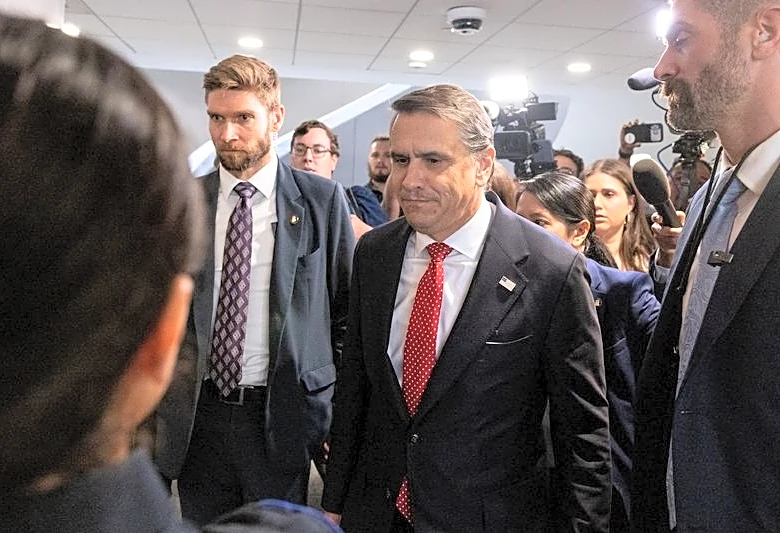
As the Sunshine Protection Act moves to the Senate, it faces scrutiny from lawmakers concerned about its health and safety implications. Senators like Tom Cotton have expressed reservations about the potential risks of darker winter mornings. The outcome of this legislative process will determine whether the U.S. adopts permanent DST or considers alternative solutions. Meanwhile, public discourse and advocacy from health experts may influence the decision-making process. If the bill becomes law, individuals and organizations may need to adapt to the new time structure, potentially implementing measures to mitigate health impacts, such as promoting morning light exposure and maintaining consistent sleep schedules.