


What's Happening?
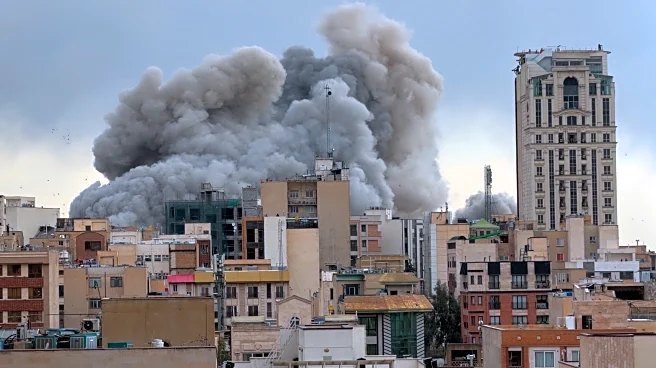
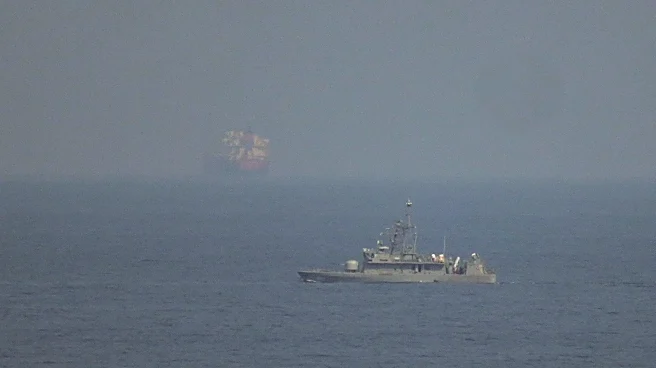
The Fertilizer Institute (TFI), a U.S. industry association, is monitoring the closure of the Strait of Hormuz, a critical maritime route for energy and fertilizer shipments. This closure is causing uncertainty in global fertilizer markets, with cargo
insurance cancellations leading to halted shipments and reduced availability of transport vessels. The global fertilizer market is highly interconnected, meaning disruptions in one region can quickly affect international trade routes. The closure could significantly impact the supply of key fertilizer nutrients and raw materials, such as ammonia, urea, and sulphur, which are crucial for nitrogen and phosphate fertilizers. Although the U.S. does not directly import ammonia from countries west of the Strait, the global market's supply reduction could tighten availability and increase prices. The situation is further complicated by existing restrictions on Chinese phosphate exports, increasing reliance on alternative suppliers like Russia and Morocco.
Why It's Important?
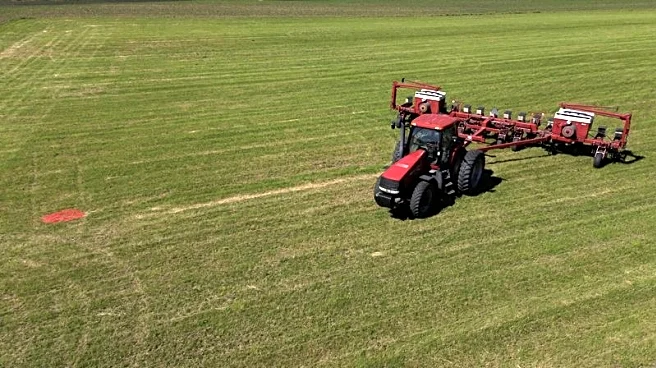
The closure of the Strait of Hormuz could have significant implications for global fertilizer supply chains, affecting availability and pricing. This disruption could impact U.S. farmers, who, despite producing a significant portion of their own fertilizer, are still influenced by international supply and demand dynamics. The potential increase in fertilizer costs could affect agricultural production costs, ultimately impacting food prices and availability. Additionally, the disruption in liquefied natural gas shipments, a key feedstock for nitrogen fertilizers, could further influence production costs worldwide. The situation underscores the vulnerability of global supply chains to geopolitical events and the interconnected nature of international trade.
What's Next?
The full impact on fertilizer markets remains uncertain and will depend on the duration of the Strait's closure and the response of global supply chains. The Fertilizer Institute is maintaining communication with member companies, policymakers, and stakeholders in the agricultural sector to monitor developments. If the disruption persists, it could lead to long-term shifts in trade routes and sourcing strategies for fertilizer producers and consumers. Stakeholders may need to explore alternative supply routes or increase domestic production to mitigate the impact of such geopolitical disruptions.