




What's Happening?
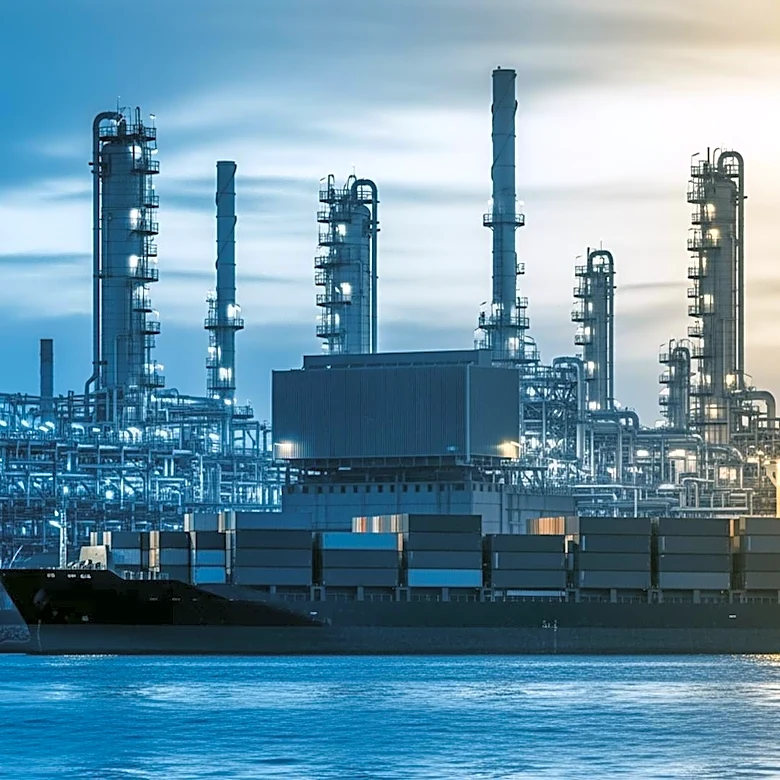
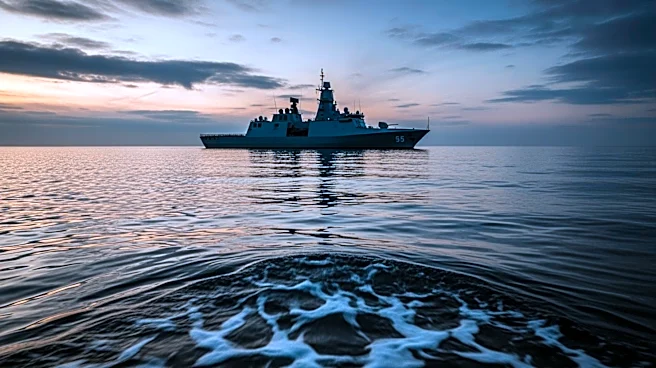
Negotiations between the U.S. and Iran have stalled as the U.S. continues to enforce a naval blockade, claiming to have blocked 34 ships from Iranian ports. Iran disputes the effectiveness of the blockade, reporting the passage of an oil tanker through
the Gulf of Oman. The U.S. has increased its military presence in the region, deploying three aircraft carriers and additional naval forces. Meanwhile, diplomatic efforts continue in Pakistan, where Iran has expressed willingness to negotiate but refuses to accept U.S.-imposed red lines. The U.S. Treasury has ruled out extending sanctions relief on Russian oil and purchasing Iranian oil already at sea.
Why It's Important?
The stalled talks and ongoing blockade highlight the persistent tensions between the U.S. and Iran, with significant implications for regional stability and global oil markets. The U.S. military buildup underscores the potential for renewed conflict, which could disrupt oil supplies and escalate geopolitical tensions. The diplomatic stalemate also affects international relations, as Iran seeks to navigate sanctions and maintain its nuclear program. The outcome of these negotiations could influence U.S. foreign policy and its approach to Middle Eastern affairs.
What's Next?
The continuation of talks in Pakistan remains uncertain, with both sides maintaining firm positions. The U.S. may face pressure to adjust its strategy if the blockade proves ineffective or if diplomatic efforts fail. Iran's response to the blockade and sanctions will be critical in determining the next steps, as will the involvement of other regional players like Pakistan. The potential for a breakthrough or escalation will depend on the willingness of both parties to compromise and the influence of international stakeholders.