




What's Happening?
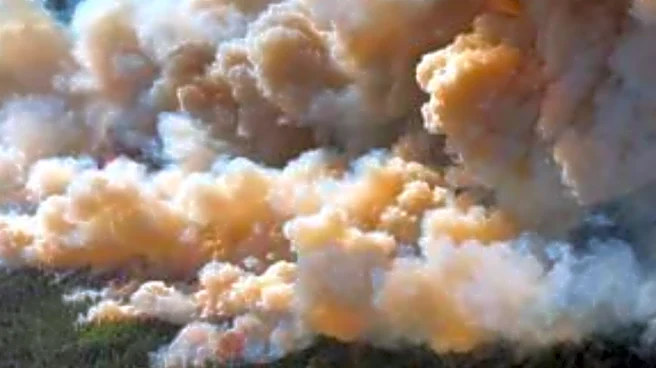
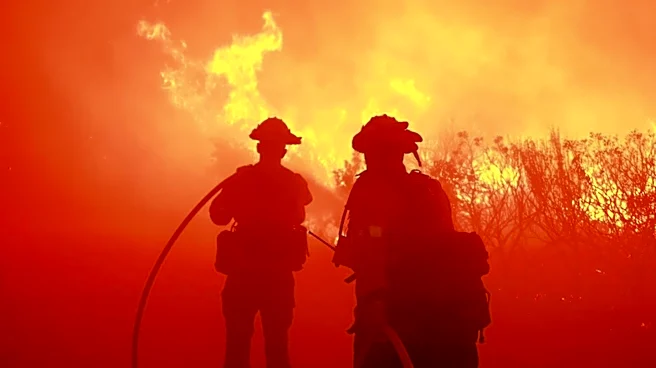
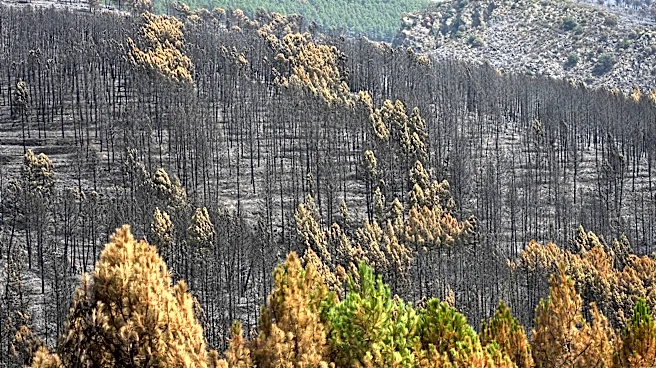
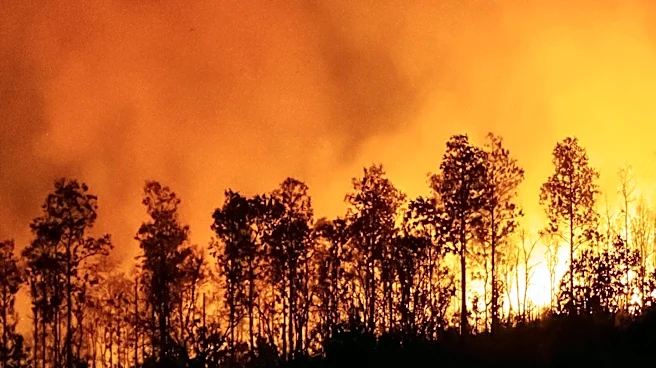
Spain has declared a national emergency due to unprecedented wildfires, marking the first time such a measure has been taken for this reason. The fires have forced the evacuation of over 10,000 people from areas west of Madrid, as authorities work to prevent
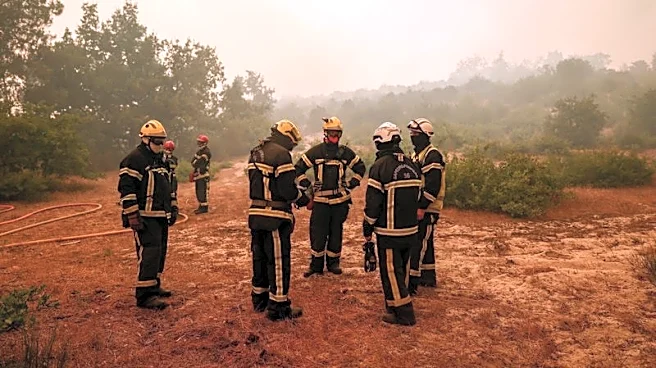
multiple fires from merging. The intense heat and dry conditions have exacerbated the situation, with the fires threatening densely populated areas where many residents have second homes. The Spanish government has sought assistance from the European Union to help manage the crisis, deploying hundreds of emergency personnel and military units to combat the blazes.
Why It's Important?
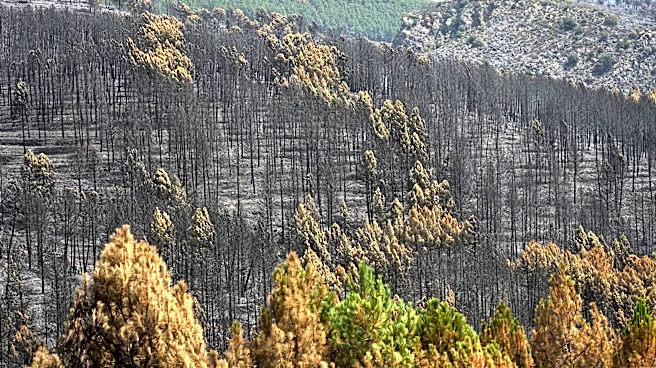
The declaration of a national emergency in Spain highlights the severity of the wildfire crisis, which is being fueled by extreme heat and drought conditions. This situation poses significant challenges for emergency services and has a profound impact on local communities, particularly those in tourist areas. The fires threaten not only lives and properties but also the environment, as large areas of forest are being destroyed. The need for international assistance underscores the scale of the disaster and the strain on national resources. The economic impact is also considerable, as tourism and local businesses are disrupted.
What's Next?
As the fires continue to rage, the focus remains on preventing further spread and protecting lives and properties. The Spanish government is coordinating with the EU to receive additional firefighting resources, including aircraft and personnel. Efforts are underway to improve weather conditions, which are expected to aid firefighting efforts. However, the situation remains precarious, with the potential for further evacuations and damage. The response will likely involve long-term recovery and rebuilding efforts, as well as discussions on improving fire prevention and management strategies in the face of climate change.