
What's Happening?
Maine's Secretary of State, Shenna Bellows, has suspended the issuance of undercover license plates for federal agents, particularly those requested by the U.S. Border Patrol. This decision comes amid heightened concerns over the potential deployment
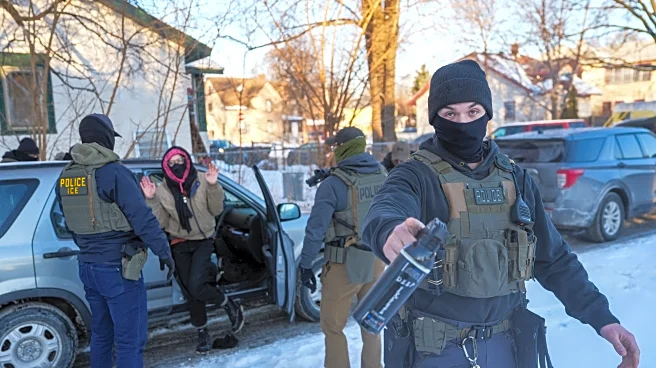
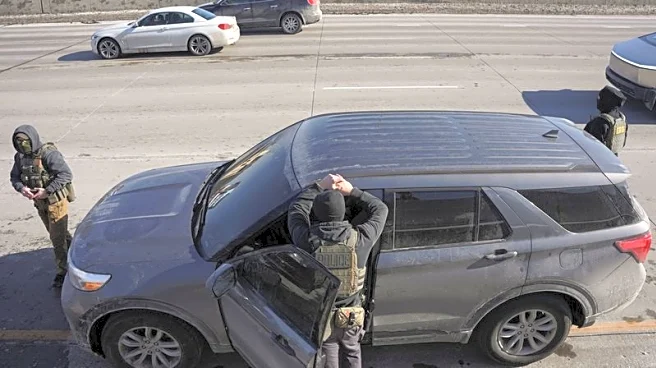
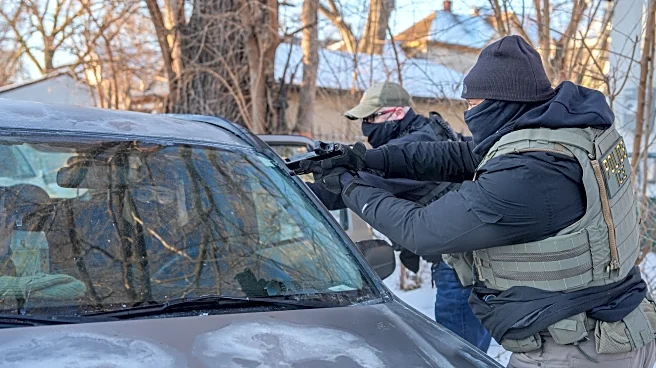
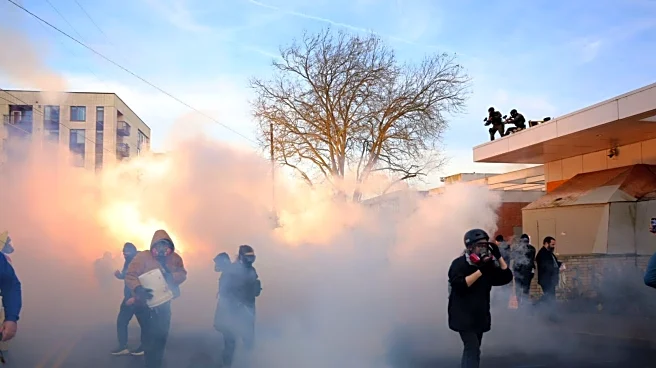
of Immigration and Customs Enforcement (ICE) agents in Maine, following reports of similar operations in Minnesota. The use of unmarked vehicles has been a common tactic for ICE and Border Patrol agents, often leading to community unrest. Bellows emphasized the need to ensure that Maine's resources are not used for unlawful purposes, reflecting the state's commitment to protecting its immigrant communities. The American Civil Liberties Union (ACLU) of Maine has also voiced strong opposition to ICE's tactics, describing them as a threat to constitutional rights.
Why It's Important?
The suspension of undercover license plates in Maine highlights the growing tension between state authorities and federal immigration enforcement under President Trump's administration. This move is significant as it underscores the state's resistance to federal overreach and its commitment to safeguarding immigrant communities. The decision could impact the operational capabilities of federal agents in Maine, potentially leading to a reevaluation of enforcement strategies. It also reflects broader national debates on immigration policy and the balance of power between state and federal governments. The actions taken by Maine could inspire similar measures in other states, influencing the national discourse on immigration enforcement.
What's Next?
As the situation develops, federal agencies may need to adjust their strategies in Maine, potentially seeking alternative methods to conduct operations without undercover plates. The state's decision could prompt legal challenges or negotiations between state and federal authorities. Community groups and civil rights organizations are likely to continue advocating for immigrant rights, potentially leading to increased public demonstrations and political pressure. The outcome of these developments could influence future policy decisions at both state and national levels, particularly regarding the use of federal resources in immigration enforcement.