
What's Happening?
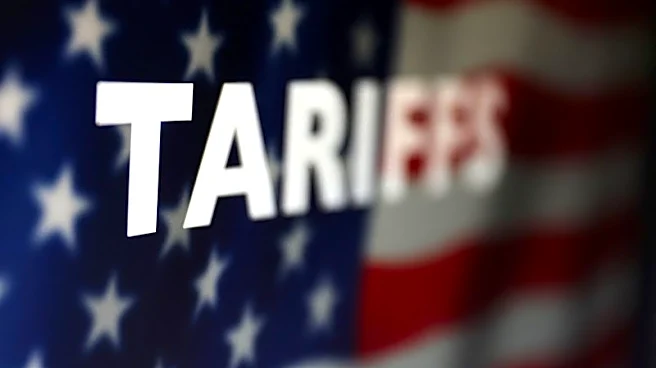
President Trump has announced a plan to impose 100% tariffs on imported generic drugs starting in August 2028, with the aim of reshoring pharmaceutical production to the U.S. The tariffs are intended to encourage
manufacturers to relocate their operations domestically. However, health policy experts express skepticism about the effectiveness of tariffs alone in achieving this goal. The generic drug industry, which accounts for 90% of U.S. prescriptions, relies heavily on imports from countries like India and China. The plan includes a two-year transition period for manufacturers to adjust their production strategies.
Why It's Important?
The proposed tariffs on imported generic drugs could have significant implications for the pharmaceutical industry and drug pricing in the U.S. While the measure aims to boost domestic production, experts warn that it may lead to higher drug prices and potential supply shortages if manufacturers choose to exit the U.S. market. The plan highlights the challenges of reshoring production in an industry with complex supply chains and cost considerations. The impact on consumers, healthcare providers, and pharmaceutical companies will depend on how the industry responds to the tariffs and whether alternative solutions are implemented.