
What's Happening?
A significant strike organized by Portugal's two main trade union confederations has led to widespread disruption across the country. The strike, which is being described as potentially the largest in over
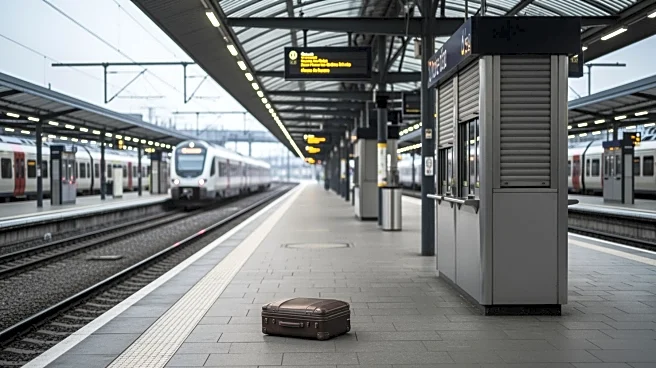
a decade, has severely affected travel and public services. Key sectors impacted include transportation, with numerous flights canceled at Lisbon International Airport and limited train and bus services. The strike is a response to the center-right government's proposed changes to employment laws, which unions argue will strip workers of entitlements. These changes include making it easier for companies to fire workers and limiting the right to strike in certain sectors. The government, however, contends that these reforms are necessary to enhance economic flexibility and growth. The strike has also affected private companies, with reports of walkouts in manufacturing and distribution sectors.
Why It's Important?
The strike highlights significant tensions between labor unions and the government over proposed employment law reforms. These changes are seen as a threat to workers' rights by the unions, while the government views them as essential for economic progress. The disruption caused by the strike underscores the potential impact of labor unrest on the economy, particularly in sectors like transportation and public services. With Portugal's economy being one of the smallest in the EU and its workers among the lowest paid, the strike also brings attention to broader socio-economic issues, including the cost of living and housing crises. The outcome of this labor dispute could set a precedent for future negotiations and reforms in Portugal and potentially influence labor policies in other EU countries.
What's Next?
The immediate next steps involve continued negotiations between the government and the unions. The unions have staged street marches and are demanding the withdrawal of the proposed labor reforms. The government's response and any potential concessions will be crucial in determining the resolution of this conflict. Additionally, the strike's impact on public opinion and political dynamics in Portugal will be closely watched, as it could influence future policy decisions and the government's approach to labor relations.