






What's Happening?
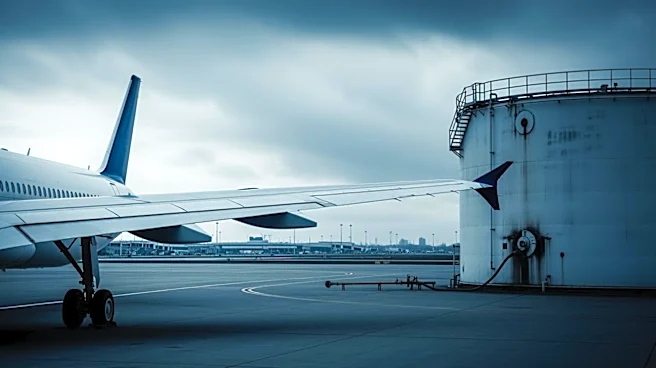
Lufthansa, a major German airline, has announced the cancellation of 20,000 short-haul flights through October. This decision is a response to the escalating oil prices and potential jet fuel shortages caused by the ongoing conflict involving U.S. and Israeli
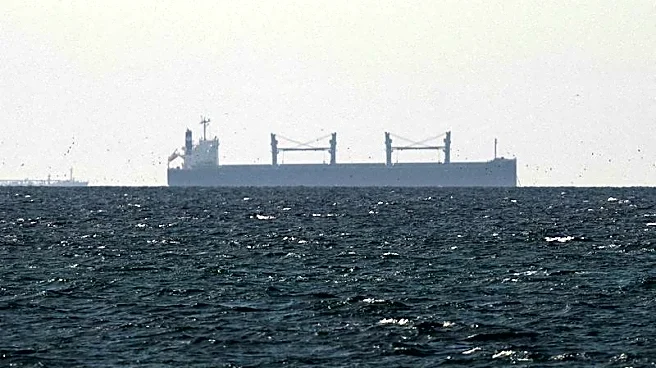
strikes on Iran. The cancellations will primarily affect Lufthansa's hub airports in Frankfurt and Munich, as well as other European carriers under the Lufthansa Group, including Austrian Airlines, Brussels Airlines, SWISS, and ITA Airways. The airline aims to save approximately 40,000 metric tons of jet fuel by cutting less profitable routes. The conflict has disrupted fuel supplies globally, particularly affecting the Strait of Hormuz, a critical passage for oil transport. The International Energy Agency has warned that Europe may face jet fuel shortages within weeks if the situation persists.
Why It's Important?
The reduction in flights by Lufthansa highlights the broader impact of geopolitical conflicts on global industries, particularly aviation. Airlines are highly sensitive to fuel price fluctuations, as fuel is a significant operational cost. The current situation may lead to increased travel costs for consumers, with airlines likely to impose higher fees and surcharges. The potential for prolonged fuel shortages could further strain the aviation industry, which is still recovering from the pandemic's effects. This development underscores the interconnectedness of global markets and the ripple effects that regional conflicts can have on international commerce and travel.
What's Next?
Lufthansa is taking measures to secure its fuel supply for the upcoming weeks, including physical procurement strategies. However, the ongoing conflict and its impact on fuel prices may force further adjustments in airline operations. The European Union is closely monitoring the situation, with energy officials warning of long-term price impacts. Airlines worldwide are reassessing their schedules and financial forecasts, with some already reducing planned expansions. The aviation industry will need to navigate these challenges while balancing cost management and service provision.