
What's Happening?
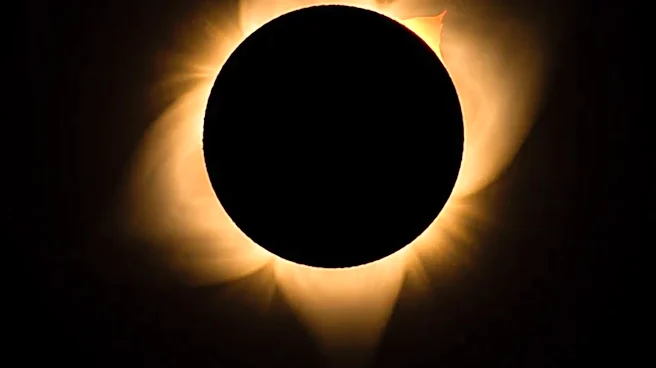
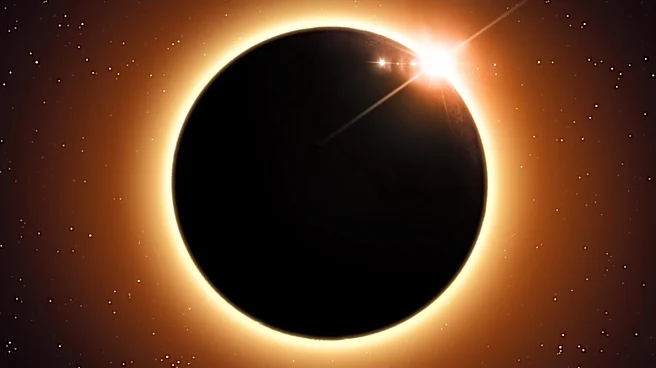
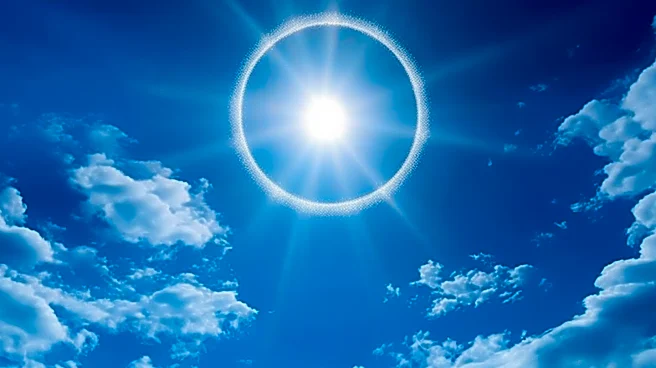
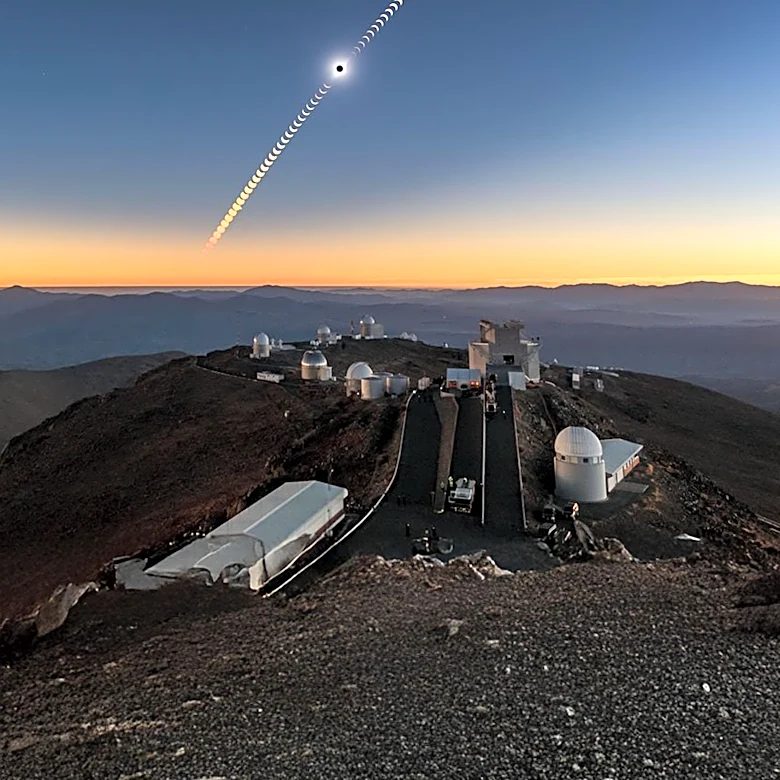
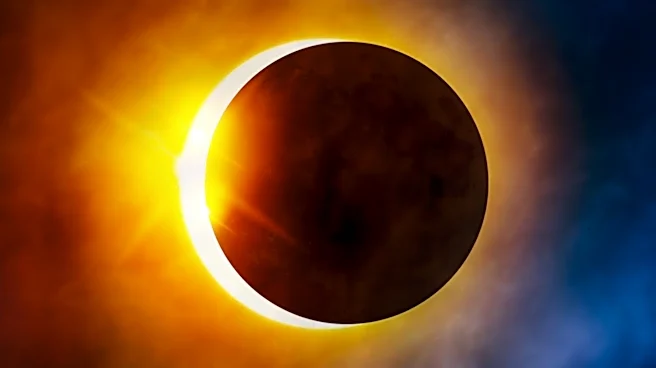
On Wednesday, skywatchers in parts of the East Coast, Midwest, and Alaska will have the opportunity to witness a partial solar eclipse during the afternoon. This celestial event will be followed by the peak of the Perseid meteor shower overnight. The
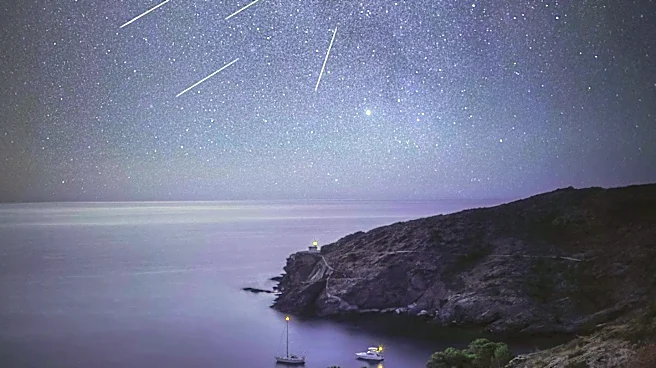
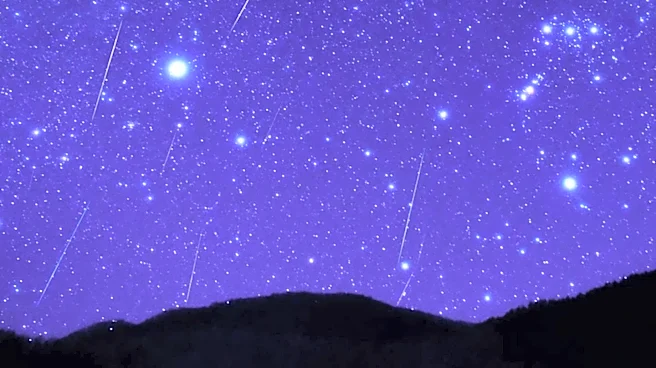
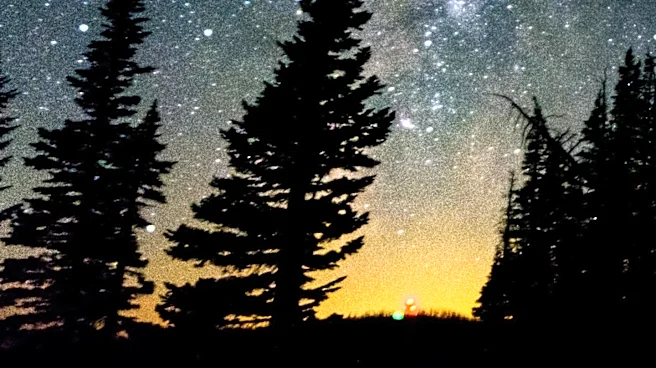
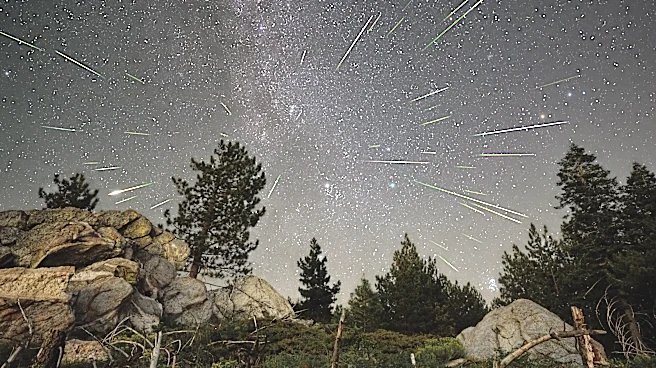
Perseid meteor shower, known for its bright fireballs, is a result of Earth passing through debris from Comet 109P/Swift-Tuttle. The best viewing time for the meteor shower is from midnight to dawn, as the constellation Perseus rises higher in the sky. The absence of moonlight due to the earlier solar eclipse will enhance visibility. The Perseids are one of the most reliable meteor showers, with up to 100 meteors per hour visible from dark locations.
Why It's Important?
These celestial events offer a unique opportunity for educational and recreational activities related to astronomy. The partial solar eclipse provides a chance for people to safely observe the interaction between the sun and the moon, while the Perseid meteor shower is a popular event for amateur astronomers and the general public. Such events can inspire interest in space science and foster a greater appreciation for natural phenomena. Additionally, they provide an opportunity for community gatherings and educational programs, potentially boosting local tourism and related businesses.
What's Next?
Following the peak of the Perseid meteor shower, skywatchers can continue to observe meteors at a reduced rate for several nights. Astronomy clubs and observatories may host events to facilitate viewing and provide educational insights. The next significant celestial event to anticipate is the total solar eclipse in 2027, which is expected to be one of the longest in decades. This upcoming event will likely draw significant attention and preparation from both the scientific community and the public.