



What's Happening?
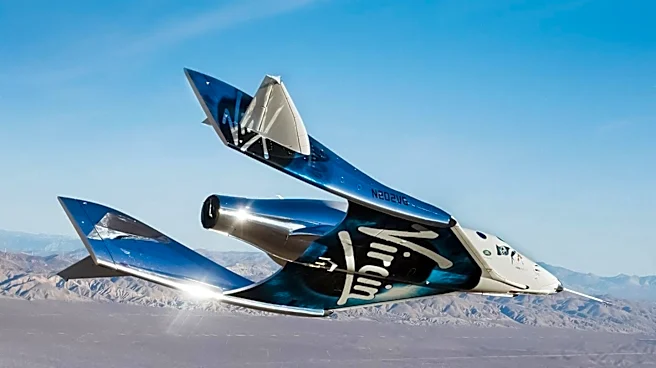
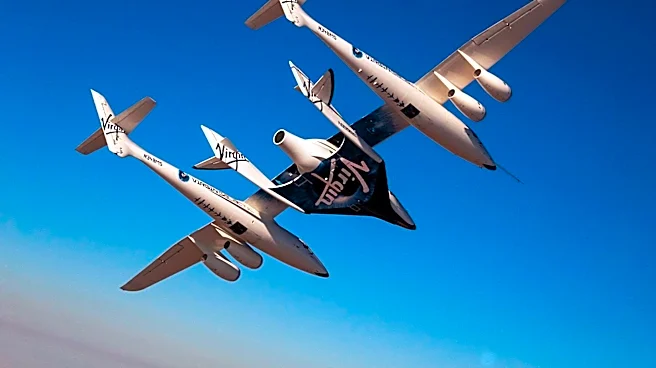
Teachers in Space (TIS), a nonprofit organization, has announced plans to send two educators into space aboard a Virgin Galactic research flight scheduled for 2027. This mission marks the first time TIS teachers will conduct research directly in space,
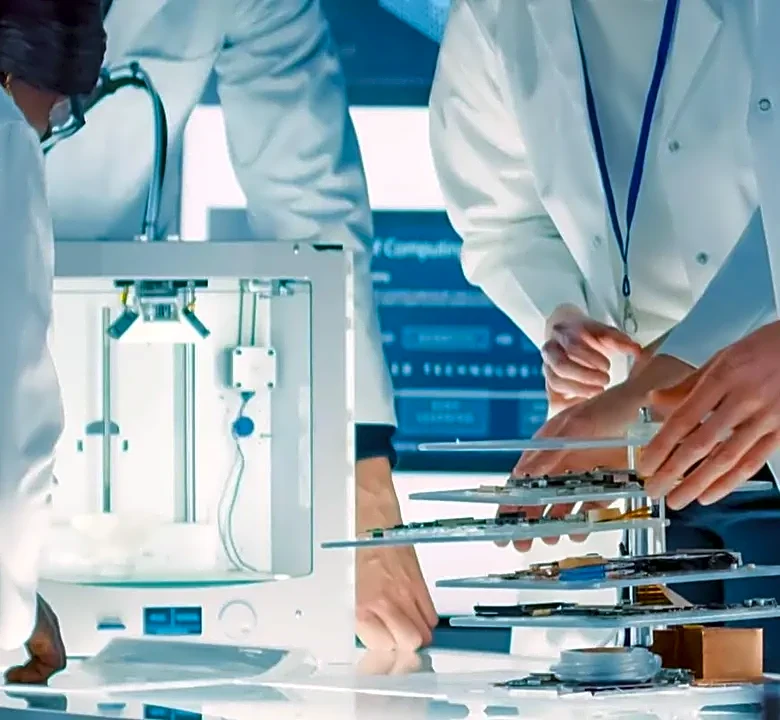
building on their previous experience with microgravity experiments on parabolic 'zero-G' flights since 2016. The initiative aims to extend space access to teachers and students, allowing educators to conduct scientific research and bring those experiences back to their classrooms. The teachers will utilize 3D-printed CubeSats, equipped with various environmental sensors and powered by rechargeable lithium-polymer batteries, to collect data during the flight. This data will then be analyzed by K-12 students who helped design the experiments, providing them with real-world scientific engagement. TIS is actively fundraising to support this educational program and research mission, with a goal of $2 million, having already secured $285,000.
Why It's Important?
This mission is significant for advancing STEM education in the United States by providing teachers with direct, hands-on space research experience. By enabling educators to participate in actual space flights, TIS aims to inspire the next generation of scientists and engineers. The program's model, which involves students in designing experiments and analyzing real space data, fosters critical thinking and practical scientific skills. This direct engagement with space exploration can make complex scientific concepts more tangible and exciting for students, potentially increasing their interest in STEM fields. Furthermore, the initiative fulfills a long-held vision, echoing NASA's original Teacher in Space program, and demonstrates a commitment to integrating space research into educational curricula, thereby broadening the impact of space exploration beyond scientific communities to everyday classrooms.
What's Next?
The immediate next step for Teachers in Space is to continue their fundraising campaign to reach the $2 million goal required to fully support the educational program and research mission. As the 2027 flight approaches, the selected teachers will undergo specialized training to prepare for their research activities in space. Concurrently, TIS will work with K-12 classrooms to design and refine the experiments that will be conducted using the CubeSats. Following the mission, the collected data will be disseminated to participating schools, where students will engage in analysis and interpretation, integrating the space flight experience directly into their science curricula. The success of this mission could pave the way for future opportunities for educators to participate in space research, potentially expanding the program's reach and impact.
Beyond the Headlines
This initiative represents a deeper shift in how space exploration can be integrated into public education, moving beyond theoretical learning to practical, experiential engagement. By empowering teachers to become active participants in space research, the program challenges traditional educational models and fosters a more dynamic learning environment. The ethical implication lies in democratizing access to space, making it less exclusive to professional astronauts and more accessible to those who can broadly disseminate its lessons. Culturally, it reinforces the idea that space is a frontier for everyone, not just a select few, potentially inspiring a broader societal interest in scientific discovery and innovation. Long-term, such programs could lead to a more scientifically literate populace and a workforce better equipped for future challenges in space and technology.