




What's Happening?
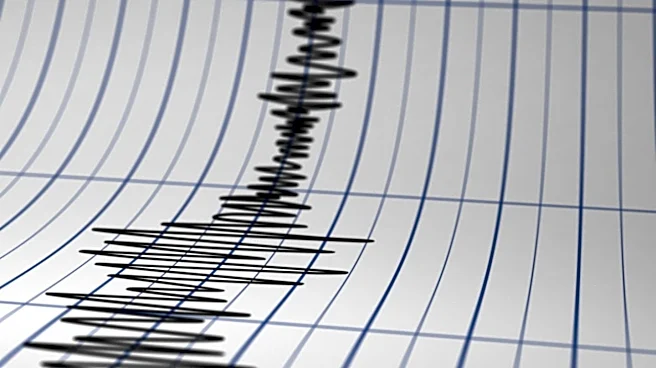
A powerful earthquake with a magnitude of 7.3 struck the southern Mexican Pacific coast near the border with Guatemala. The U.S. Geological Survey reported the epicenter was located 30 miles southwest of Aquiles Serdan, near Chiapas, at a depth of 9 miles.
The tremor was felt from Mexico City to El Salvador, causing panic but no severe damage or casualties. Two injuries were reported in southern Mexico, including a Haitian migrant woman who suffered fractures after jumping from a building. The quake was followed by at least 10 aftershocks ranging from magnitude 4.9 to 6. In Guatemala City, the quake caused residents to evacuate buildings, but no major damage was reported. The Mexican government did not activate the earthquake alert as the initial energy did not meet the activation threshold.
Why It's Important?
The earthquake highlights the vulnerability of the region to seismic activity, which can have devastating effects on infrastructure and communities. Although this event did not result in significant damage, it serves as a reminder of the potential risks and the importance of preparedness in earthquake-prone areas. The temporary tsunami alert issued, though later lifted, underscores the need for effective communication and response systems to mitigate potential threats. The incident also draws attention to the resilience of local communities and the importance of emergency protocols in minimizing harm during such natural disasters.
What's Next?
Authorities in Mexico and Guatemala will likely continue to monitor the situation for any further aftershocks or delayed impacts. The focus will be on assessing infrastructure for any hidden damage and ensuring that emergency services are prepared for potential future seismic events. The incident may prompt a review of current earthquake preparedness and response strategies in the region, potentially leading to updates in building codes and emergency protocols to enhance resilience against future earthquakes.