
What's Happening?
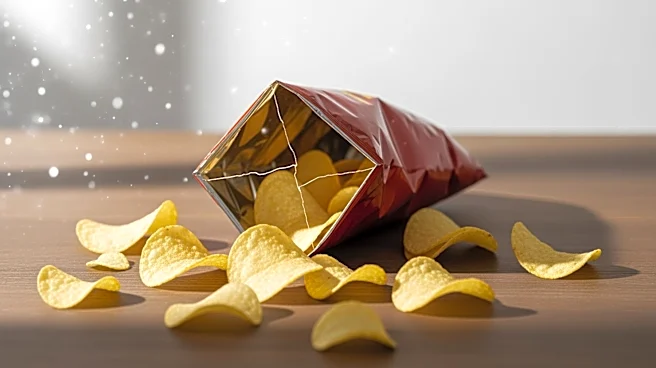
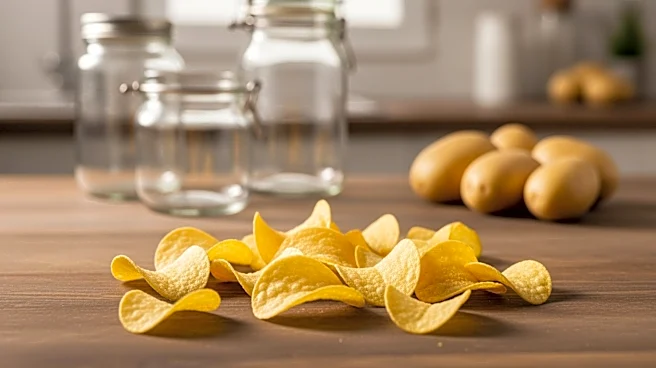
Utz Quality Foods has announced a nationwide recall of certain varieties of Zapp's and Dirty brand potato chips due to potential salmonella contamination. The recall was initiated after the company's ingredient
supplier issued a recall notice for dry milk powder used in the seasoning, which may contain the salmonella organism. The U.S. Food and Drug Administration (FDA) has confirmed that no illnesses have been reported in connection with the recalled products. The affected chips were sold across the United States and include multiple flavors and sizes with best-by dates from late July through August 2026. Consumers are advised to discard any recalled products and contact Utz Customer Care for refunds. Symptoms of salmonella infection can include fever, diarrhea, nausea, vomiting, and abdominal pain, and the infection can be particularly severe in young children, older adults, and those with weakened immune systems.
Why It's Important?
The recall of Zapp's and Dirty brand potato chips highlights the ongoing challenges in ensuring food safety and the potential health risks associated with contaminated food products. Salmonella is a serious concern as it can lead to severe illness, especially in vulnerable populations. This recall underscores the importance of rigorous quality control and monitoring in the food supply chain to prevent contamination. For consumers, it serves as a reminder to stay informed about product recalls and to take necessary precautions to avoid health risks. For Utz Quality Foods, the recall could impact consumer trust and brand reputation, emphasizing the need for transparency and swift action in addressing food safety issues.
What's Next?
Consumers who have purchased the recalled potato chips are encouraged to dispose of them immediately and contact Utz Customer Care for a refund. The FDA and Utz Quality Foods will likely continue to monitor the situation closely to ensure that no contaminated products remain on the market. The company may also review and enhance its supply chain protocols to prevent future contamination incidents. Additionally, the recall may prompt other food manufacturers to reassess their own safety measures and ingredient sourcing practices to mitigate similar risks.