





What's Happening?
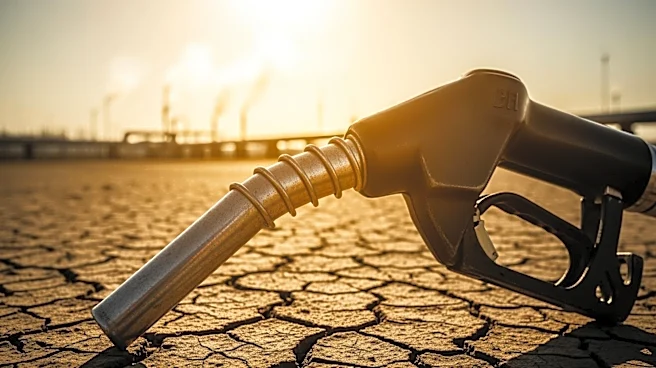
The ongoing conflict in Iran is disrupting global oil supply, leading to increased fuel costs in the U.S. According to the U.S. Congress Joint Economic Committee, North Dakotans have spent nearly $17 million extra on gas in the past month, while Minnesotans
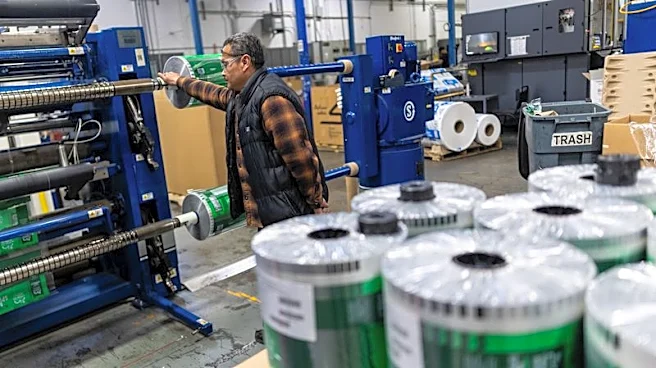
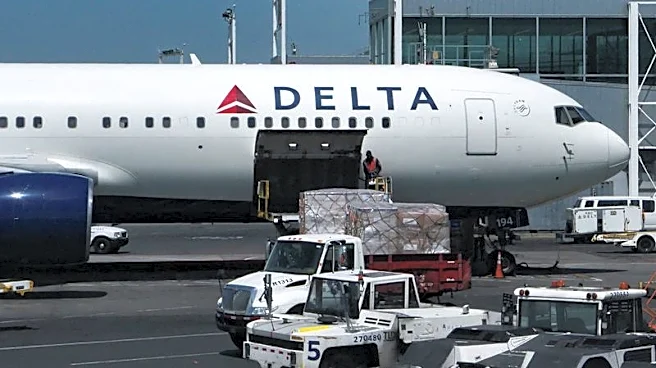
have spent over $100 million. Diesel prices are also rising, affecting agriculture as machinery relies heavily on diesel fuel. Fertilizer prices are increasing due to global supply disruptions and higher energy costs, potentially impacting farmers' profits and grocery prices. The ripple effect of higher fuel costs is being felt across the economy, with transportation surcharges affecting consumer goods.
Why It's Important?
The rise in fuel and supply costs has significant implications for the U.S. economy, particularly in rural areas where driving is essential. The agricultural sector faces increased operational costs, which could lead to higher food prices for consumers. The conflict's impact on global oil supply highlights the vulnerability of economies reliant on fossil fuels. The situation underscores the need for strategic planning and diversification in energy sources to mitigate future disruptions. The prolonged effects of the conflict could strain household budgets and economic stability, emphasizing the importance of resolving geopolitical tensions.