



What's Happening?
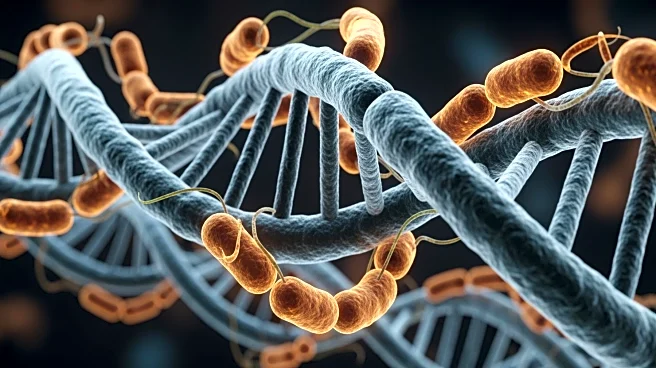
Recent research has shed light on the significant role of the gut microbiome in the progression and treatment resistance of pancreatic ductal adenocarcinoma (PDAC). The study highlights how certain bacteria within the tumor environment can induce genomic
instability, promote inflammation, and influence immune responses, thereby affecting tumor growth and resistance to chemotherapy. Notably, bacteria such as Fusobacterium nucleatum and Helicobacter pylori have been identified as contributors to these processes. The presence of these bacteria can lead to increased secretion of pro-inflammatory cytokines and activation of signaling pathways that enhance tumor cell proliferation and migration. Additionally, the study suggests that the microbiome can impact the effectiveness of chemotherapeutic agents like Gemcitabine, with certain bacteria inducing resistance by converting the drug into an inactive form.
Why It's Important?
The findings underscore the complex interplay between the microbiome and cancer, highlighting potential avenues for novel therapeutic strategies. Understanding the microbiome's role in PDAC could lead to the development of treatments that target these bacterial interactions, potentially improving patient outcomes. The study also suggests that manipulating the microbiome could enhance the efficacy of existing treatments, such as chemotherapy, by overcoming bacterial-induced drug resistance. This research could pave the way for personalized medicine approaches that consider the microbiome as a factor in cancer treatment, offering hope for better management of a disease known for its poor prognosis.
What's Next?
Future research is likely to focus on further elucidating the mechanisms by which the microbiome influences PDAC progression and treatment resistance. Clinical trials may explore the use of antibiotics or probiotics as adjunct therapies to modify the tumor microbiome and improve treatment outcomes. Additionally, there is potential for developing diagnostic tools that assess the microbiome composition as a biomarker for predicting treatment response and disease progression. These efforts could lead to more effective and personalized treatment strategies for pancreatic cancer patients.
Beyond the Headlines
The study raises important ethical and clinical considerations regarding the use of microbiome-targeted therapies. While promising, such approaches must be carefully evaluated for safety and efficacy, as altering the microbiome could have unintended consequences on overall health. Furthermore, the research highlights the need for a multidisciplinary approach in cancer treatment, integrating insights from microbiology, oncology, and immunology to develop comprehensive care strategies.