


What's Happening?
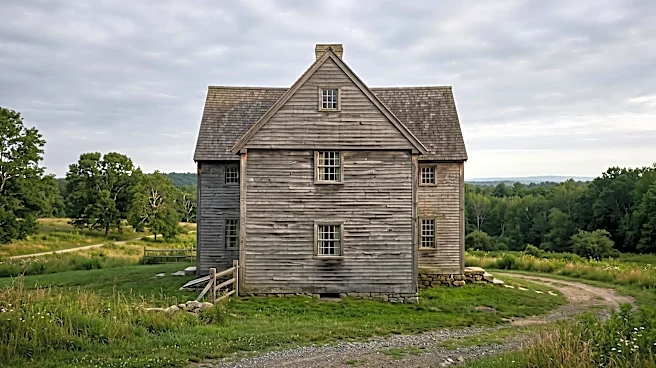
Salem, Massachusetts, a city historically known for the 1692 witch trials, experiences a significant influx of tourists every October, transforming the small city of approximately 45,000 residents into a major Halloween destination. This annual tourism
boom, largely attributed to social media and influencers, brings over a million visitors to Salem during the month. While the city offers numerous attractions like the Salem Witch Museum and the House of Seven Gables, the sheer volume of tourists creates considerable challenges for local residents. Issues include non-stop traffic, severe parking shortages, and constant crowds that often lead to street closures. Residents report varied experiences, from positive interactions with visitors to frustrations over property damage and a perceived 'Disney-fication' of their living environment, where tourists sometimes overlook the presence of actual residents.
Why It's Important?
The situation in Salem highlights the complex economic and social impacts of seasonal tourism on small communities. While tourism can boost local economies through increased spending, the overwhelming scale experienced by Salem demonstrates the potential for significant disruption to residents' daily lives. The challenges with traffic and parking affect both visitors and locals, creating congestion and accessibility issues. The 'Disney-fication' aspect raises questions about the balance between preserving local culture and catering to tourist expectations. This scenario is important for urban planners and local governments in other popular tourist destinations, as it underscores the need for sustainable tourism strategies that manage visitor flow, infrastructure demands, and resident quality of life. The reliance on social media for driving tourism also points to a broader trend in how destinations gain popularity, often without corresponding infrastructure to support the sudden increase in visitors.
What's Next?
To mitigate the negative impacts of the annual Halloween tourism surge, city officials in Salem are encouraging visitors to utilize alternative transportation methods rather than driving into the city. Recommendations include taking the MBTA commuter rail, which is already heavily utilized, or using ride-sharing services and being dropped off on the city's outskirts to walk in. These measures aim to alleviate traffic congestion and parking issues, which are the primary complaints from both residents and visitors. The city counselor's advice to avoid driving directly into Salem suggests a continued effort to manage the flow of people and vehicles. Future considerations may involve further development of public transportation options, designated drop-off zones, or even timed entry systems for certain attractions to better distribute visitor numbers throughout the day and month.
Beyond the Headlines
The phenomenon in Salem extends beyond mere logistical challenges, touching upon deeper cultural and ethical considerations. The 'Disney-fication' of a historic town, where tourists sometimes fail to recognize the presence of actual residents, raises questions about respectful tourism and the commodification of local life. This can lead to a disconnect between visitors seeking an idealized experience and the lived reality of the community. The reliance on social media for promoting tourism, while effective in drawing crowds, also contributes to this issue by often presenting a curated, idealized version of a place. This situation prompts a broader discussion on how communities can educate tourists about local customs and resident life, fostering a more respectful and integrated visitor experience. It also highlights the ethical responsibility of influencers and media in portraying destinations accurately, acknowledging the impact on local populations.