




What's Happening?
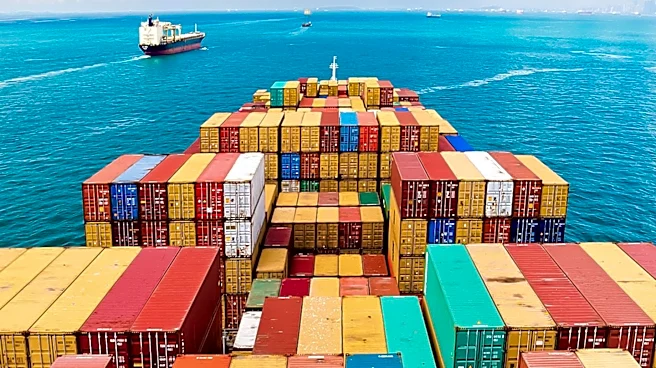
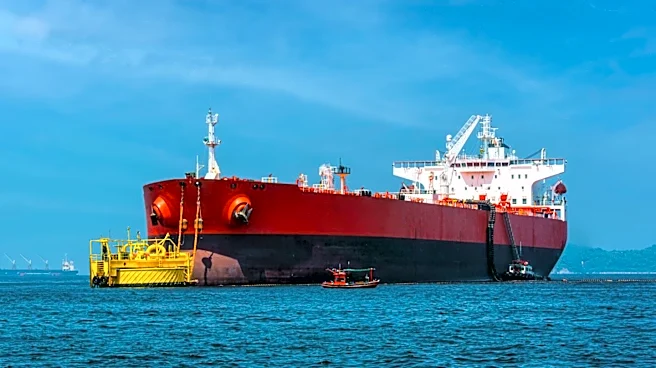
The International Energy Agency (IEA) has raised concerns about global energy security due to the ongoing closure of the Strait of Hormuz. The strait, a critical chokepoint for global oil shipments, has been largely blocked following conflicts involving
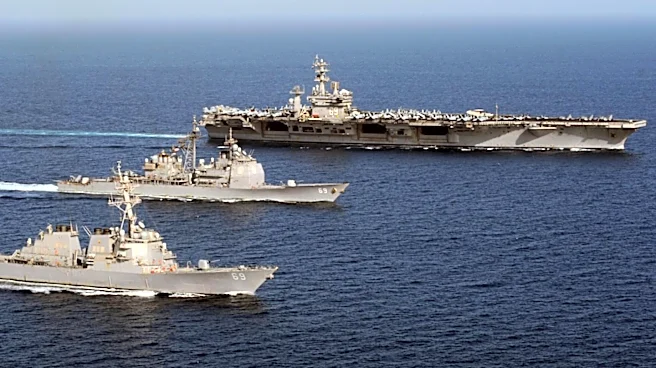
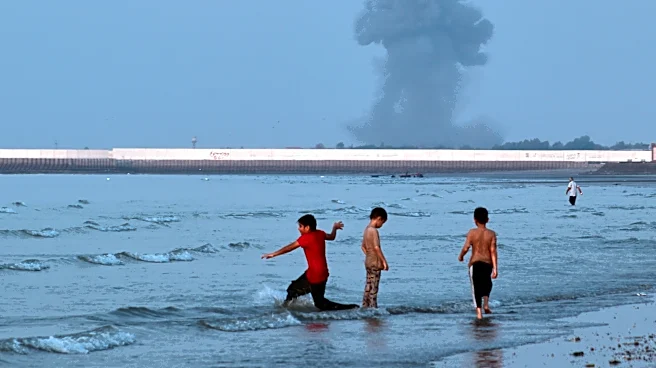
the U.S. and Iran. IEA Executive Director Fatih Birol emphasized the urgency of reopening the strait to stabilize energy supplies. The closure has led to increased energy prices, although measures such as China's oil stockpiling and the IEA's coordinated oil release have mitigated some impacts. However, these solutions are not sustainable long-term, and the situation poses significant risks to global energy markets.
Why It's Important?
The closure of the Strait of Hormuz has significant implications for global energy markets, particularly affecting Asian economies that heavily rely on oil shipments through this route. The disruption has led to increased energy costs, impacting economic stability and growth in affected regions. The situation highlights the vulnerability of global energy supply chains to geopolitical tensions and underscores the need for diversified energy sources and routes. The potential health risks in developing countries due to reliance on alternative fuels further emphasize the broader socio-economic impacts of the energy crisis.
What's Next?
Efforts to reopen the Strait of Hormuz are critical to restoring stability in global energy markets. The IEA may consider further strategic oil releases if the situation worsens. Additionally, increased diplomatic efforts may be necessary to resolve the geopolitical tensions contributing to the strait's closure. The ongoing situation may also accelerate investments in alternative energy sources and technologies to reduce dependency on vulnerable supply routes.