






What's Happening?
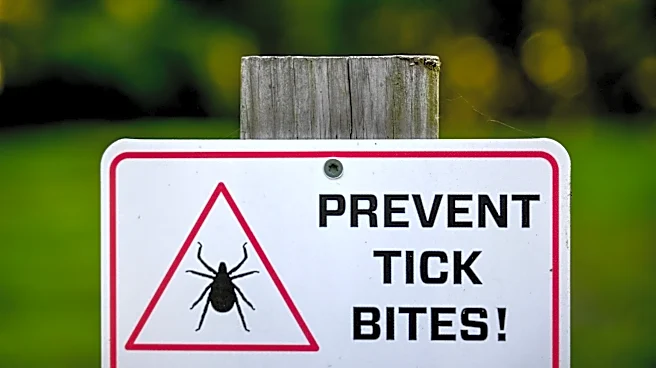
Homeowners in Michigan are experiencing heightened tick activity, particularly with blacklegged ticks, also known as deer ticks, which are vectors for Lyme disease. Ticks are not capable of flying or jumping; instead, they wait on vegetation and attach
to hosts as they pass by. The tick life cycle involves egg, larva, nymph, and adult stages, all requiring a blood meal to develop, with various animals, pets, and humans serving as hosts. Ticks are more prevalent in sheltered, moist areas such as leaf litter, tall grass, wooded borders, fence lines, and wood piles, rather than uniformly across a property. Even well-maintained yards can harbor ticks in specific, less obvious locations like behind sheds or along dog paths. The Centers for Disease Control and Prevention (CDC) estimates that approximately 476,000 people in the U.S. are diagnosed and treated for Lyme disease annually, highlighting the significance of tick-borne illnesses. Symptoms of early Lyme disease can include fever, headache, fatigue, muscle or joint aches, and a rash, though not all individuals develop the characteristic rash.
Why It's Important?
The increased presence of ticks and the associated risk of Lyme disease in Michigan pose a significant public health concern for residents. Lyme disease, if left untreated, can lead to serious health complications affecting joints, the heart, and the nervous system. Homeowners, their families, and pets are directly impacted, as outdoor activities like gardening, walking wooded trails, or simply spending time in their yards can lead to tick encounters. The need for vigilance in checking for ticks and understanding proper removal techniques is crucial to mitigate health risks. The economic impact can include healthcare costs for treatment and potential lost productivity due to illness. Furthermore, the presence of ticks can influence property management practices, with a greater emphasis on landscaping and pest control measures to create less hospitable environments for ticks, potentially leading to increased costs for homeowners.
What's Next?
Michigan residents are advised to adopt proactive measures to protect themselves and their pets from ticks. This includes wearing protective clothing that limits exposed skin when in tick-prone areas and using EPA-registered personal repellents. Regular tick checks after outdoor activities are essential, focusing on areas like behind the knees, around the waist, under the arms, behind the ears, and through the hair. Pet owners should also routinely check their animals and consult veterinarians for appropriate preventive options. For properties, maintaining yards by clearing leaf litter, keeping grass managed, and trimming vegetation in high-traffic areas can reduce tick habitats. Professional tick control services may be considered for persistent issues, especially if ticks are frequently found after routine yard use. Continued public awareness campaigns and educational efforts will be vital to inform residents about tick-borne disease prevention and proper response to tick bites.
Beyond the Headlines
The ongoing challenge of tick-borne diseases like Lyme disease highlights broader ecological and public health trends. Climate change, for instance, can influence tick populations and their geographical spread, potentially extending tick seasons and introducing ticks to new regions. This necessitates a dynamic approach to public health messaging and prevention strategies. The reliance on individual vigilance for tick checks and repellent use underscores the importance of personal responsibility in health management, but also points to potential disparities in access to information or resources for effective prevention. The difficulty in diagnosing Lyme disease, with symptoms sometimes mimicking other conditions, emphasizes the need for advanced diagnostic tools and continued medical education. Ultimately, managing tick populations and mitigating disease risk involves a complex interplay of environmental factors, public health initiatives, and individual actions, reflecting a continuous adaptation to changing ecological landscapes.